
There was a time when growing vegetables at home wasn’t just a trend on social media. It was what you did to keep food on the table. During World War II, families all over the country started what were called Victory Gardens to ease the pressure on the supply chain. The government pushed for it hard, running ads and handing out pamphlets, and before long, more than twenty million households were growing their own food.
Those gardens faded as life got easier and grocery stores took over, but they never disappeared completely. Every time the world feels uncertain, people reach for something real, and lately, you can feel that happening again.
It happened again during the pandemic, when food shortages and empty grocery shelves sent a new generation of gardeners outside with seed packets and shovels. That renewed interest in growing food at home stuck around for many people, including plenty who had never seriously gardened before.
Starting your own victory garden doesn't have to be complicated or expensive. You don’t need acres or fancy tools, just a little sun, a patch of dirt, and the patience to see what happens. Whether herbs on the porch or a few tomatoes in pots, it's a start. And right now, that’s enough.
The Past: How Victory Gardens Began
The idea of growing food to help during hard times actually started long before World War II. Back in 1917, during World War I, the U.S. government created what they called War Gardens to help feed families while most commercial crops were sent to soldiers overseas. People were asked to plant vegetables, preserve what they could, and waste nothing. It was practical and patriotic, and by the end of the war, there were an estimated five million War Gardens in the U.S.
By the time World War II began, the idea came roaring back, this time with a new name: Victory Gardens. The government launched another huge campaign, encouraging families to turn lawns, parks, and even rooftops into food gardens. There were pamphlets, radio shows, and school programs teaching people how to plant, harvest, and can their produce.
By 1944, more than twenty million American households had gardens growing fresh food for their families and neighbors. It was a nationwide effort built on the belief that small, steady work could make a big difference. And it did. Those gardens not only filled dinner plates, they lifted spirits. They gave people a reason to get outside, get their hands in the dirt, and do something that mattered.
The Present: Why Victory Gardens Are Back
The world looks different now, but the reason people are gardening again feels a lot like it did back then. Prices are high, grocery freshness can be unreliable, and everyone seems to be looking for a steadier way to live. It makes sense that people are picking up shovels and seed packets again.
During the pandemic, a lot of people started gardening for the first time. It began out of necessity, but it turned into something more. There’s a calm that comes from watching something grow and knowing you had a hand in it.
That same energy is still alive today. Community gardens are filling up, front yards are turning into vegetable patches, and people are trading extra produce with neighbors like it’s second nature. Gardening has quietly become a way to feel grounded again. It gives you something good to focus on when the rest of the world feels like too much.
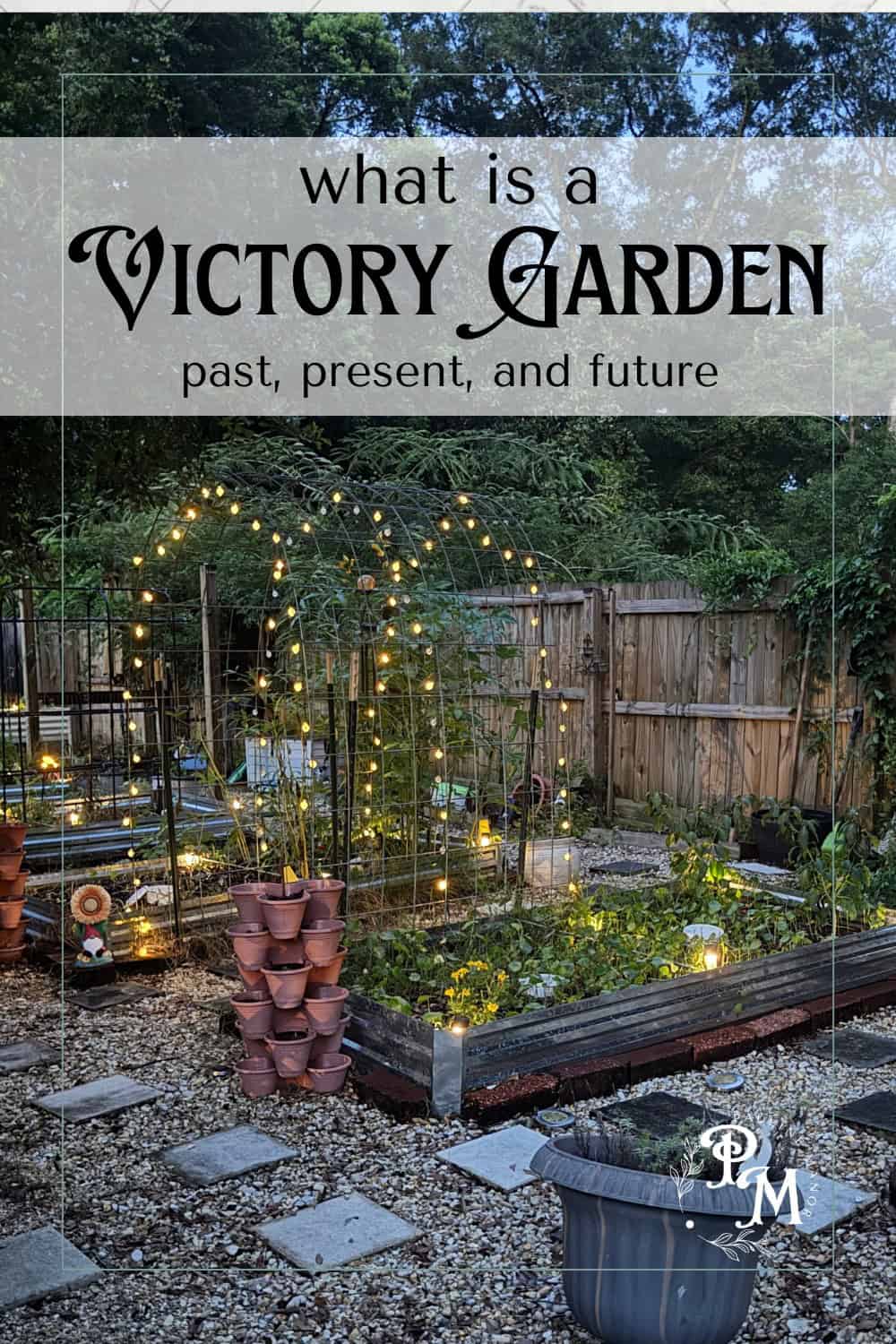
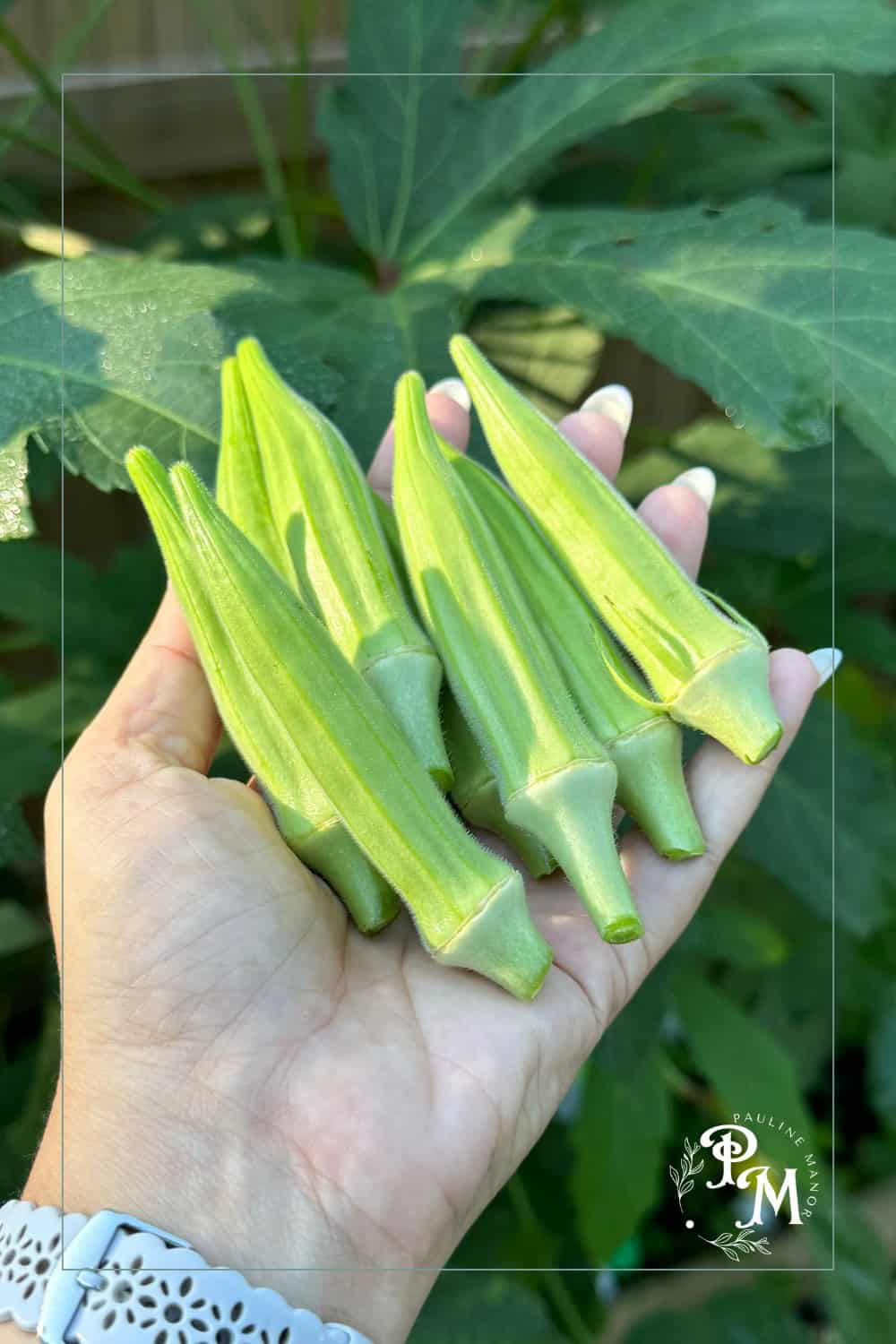
At Pauline Manor, I see that same spirit every time I walk through the garden. Some mornings I’m out there early with my coffee, just taking it all in before the day starts. Other times, I’m clipping herbs or checking on the okra, not because I have to, but because it feels good to care for something that gives back.
Back when I started digging in the dirt I didn’t even know victory gardens were a thing. The more my garden grew and the more life tilted sideways, the clearer it became why people leaned on simple, steady food growing in uncertain times.
The Future: Growing What Matters
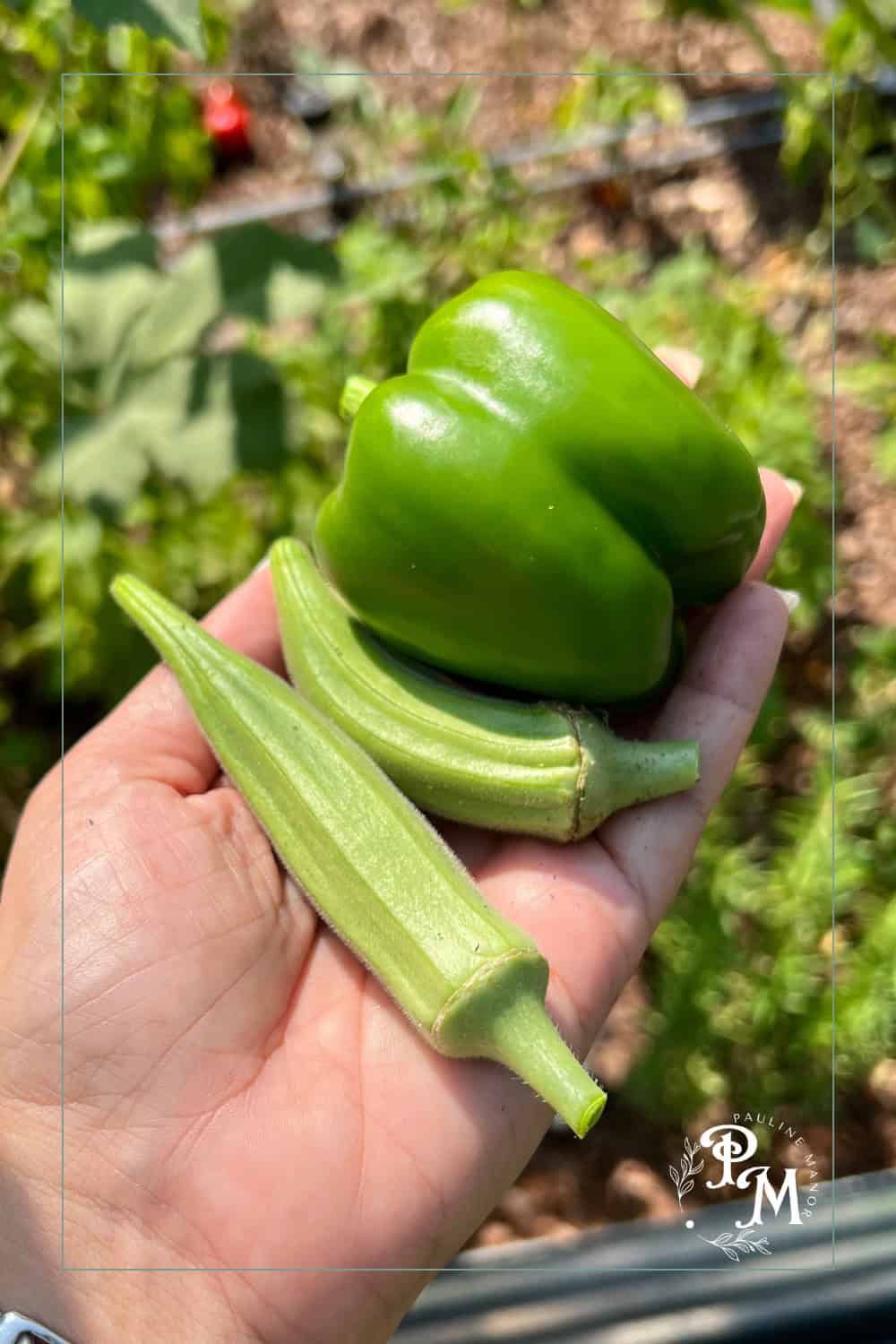
You don’t need a big yard to start your own victory garden. A few pots on the porch or a small raised bed by the back steps is plenty. Grow what you actually eat and what makes you happy to see sprouting. Tomatoes, peppers, greens, and herbs are always good choices, but there’s no wrong way to start.
Here at Pauline Manor, the garden always ties back to the kitchen. The basil ends up in homemade sauces, the blueberries find their way into sourdough muffins, and the rosemary makes it into everything from bread dough to simmer pots. It’s all connected, the growing and the making and the slow way it all comes together.
That’s what modern victory gardening is really about. It’s not about survival or fear. It’s about choosing to grow something good when the world feels heavy.
Why Victory Gardens Still Matter
Gardening teaches you to slow down in a world that never seems to stop moving. The news cycle runs twenty-four hours a day, the notifications never stop, and we’re constantly told to do more, buy more, and be more. A garden cuts through all that noise. It brings you back to something simple and steady, something that asks for your attention but also teaches patience.
But a victory garden isn’t just about slowing down. It’s also practical. Even a small garden can take a little pressure off your grocery bill. A few tomato plants or a handful of herbs won’t feed your whole family, but they’ll stretch your budget and add a kind of freshness you can’t buy in a store.
Sharing what you grow makes it even better. Handing your neighbor a few extra cucumbers or a bunch of basil from your porch feels good in a way that most modern things don’t. It’s a reminder that we still need each other, that real community is built in small, everyday gestures.
And let’s be honest, the world feels uncertain right now. Prices keep rising, the weather keeps getting weirder, and it’s hard not to wonder what the next few years will bring. I’m not saying it’s time to panic, but it’s probably time to pay attention. A home garden is one of the simplest ways to take care of yourself and the people around you.
Lastly, gardening gives you perspective. Plants fail, weather changes, and things rarely go as planned, but something always grows anyway. That’s a lesson most of us could use more of.
“To plant a garden is to believe in tomorrow” ~Audrey Hepburn
What a Modern Victory Garden Actually Looks Like
A modern victory garden does not have to take over the entire backyard. For most of us, it makes more sense to grow the things we actually use regularly and that either cost more at the grocery store or taste significantly better straight from the garden.
At Pauline Manor, that means herbs get plenty of space because I use them constantly, along with tomatoes, peppers, blueberries, and whatever else makes sense for our growing season. Here in Northwest Florida, that list changes considerably between spring, summer, and fall, so I would rather work with our climate than try to grow everything at once.
Containers count. A raised bed counts. Herbs growing beside the porch count. The point is not recreating a 1940s Victory Garden or producing every vegetable your family eats. It is simply making whatever space you have a little more productive.
Frequently Asked Questions
What is a Victory Garden?
A Victory Garden is a home or community food garden originally promoted during World War I and later made famous during World War II. Families were encouraged to grow fruits and vegetables to supplement the national food supply and reduce pressure on commercial agriculture.
How many Victory Gardens were planted during World War II?
More than 20 million Victory Gardens were planted in the United States during World War II. USDA estimates indicate those gardens produced approximately 9 to 10 million tons of fruits and vegetables.
Did Victory Gardens come back during the COVID-19 pandemic?
Yes. Interest in growing food at home increased substantially during the pandemic as people dealt with supply-chain disruptions, grocery shortages, and more time at home. UF/IFAS even created a statewide Victory Garden program in Florida that helped participants grow more than 3,000 pounds of food.
What should I plant in a modern Victory Garden?
Start with vegetables and herbs your household actually eats and that grow well in your climate. Tomatoes, peppers, greens, and culinary herbs can all be productive choices, but your growing zone and season should determine what goes into the garden.