
Getting Started
with Sourdough
From your first starter
to your hundredth loaf.
Begin Here
Your Sourdough Journey
Start at the beginning, or jump to the step you are on today.

Make or Get
a Starter
Create your own starter or begin with a dehydrated starter like Lola.
Meet your starter Step 02
Feed Your
Starter
Learn how to feed and care for your starter with confidence.
Learn how to feed it Step 03
Bake Your
First Loaf
Follow a simple process to bake a loaf you will be proud of.
Bake your first loaf Step 04
Troubleshoot
Common Mistakes
Learn why loaves turn out flat, dense, gummy, or overproofed and how to fix them.
Fix common problems Step 05
Explore Other
Recipes
Discover discard recipes, sweet bakes, sandwich bread, and more.
Explore recipesNew to Sourdough?

Start Here: Essential Guides
These six guides cover the essentials, from understanding your starter to baking your first successful loaf.
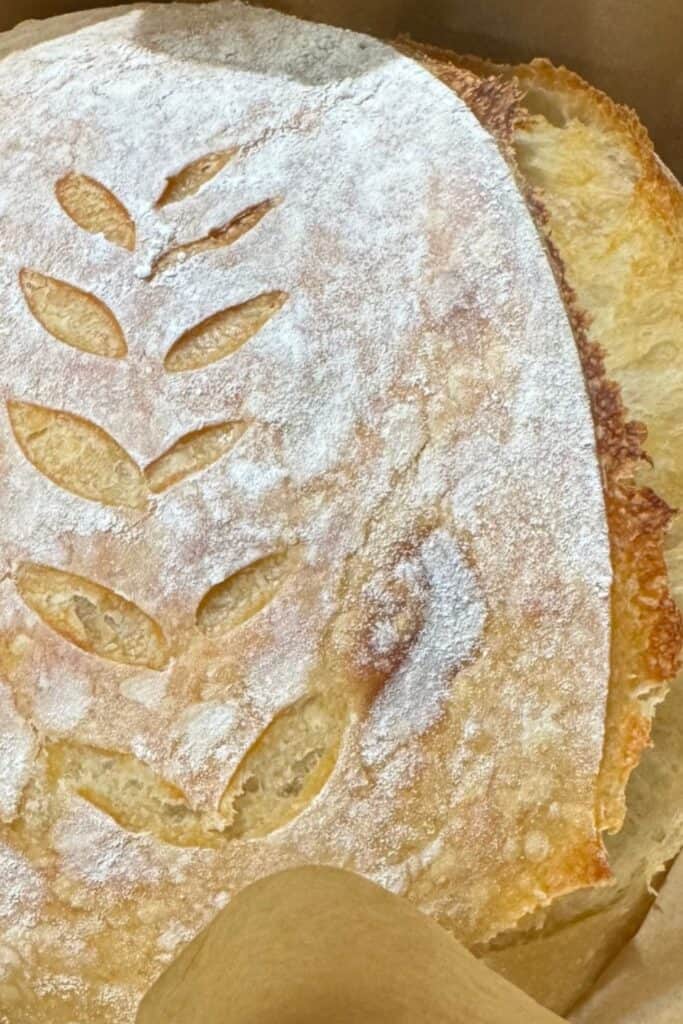
What Is Sourdough?
A beginner’s guide to understanding wild yeast and how sourdough works.
Read More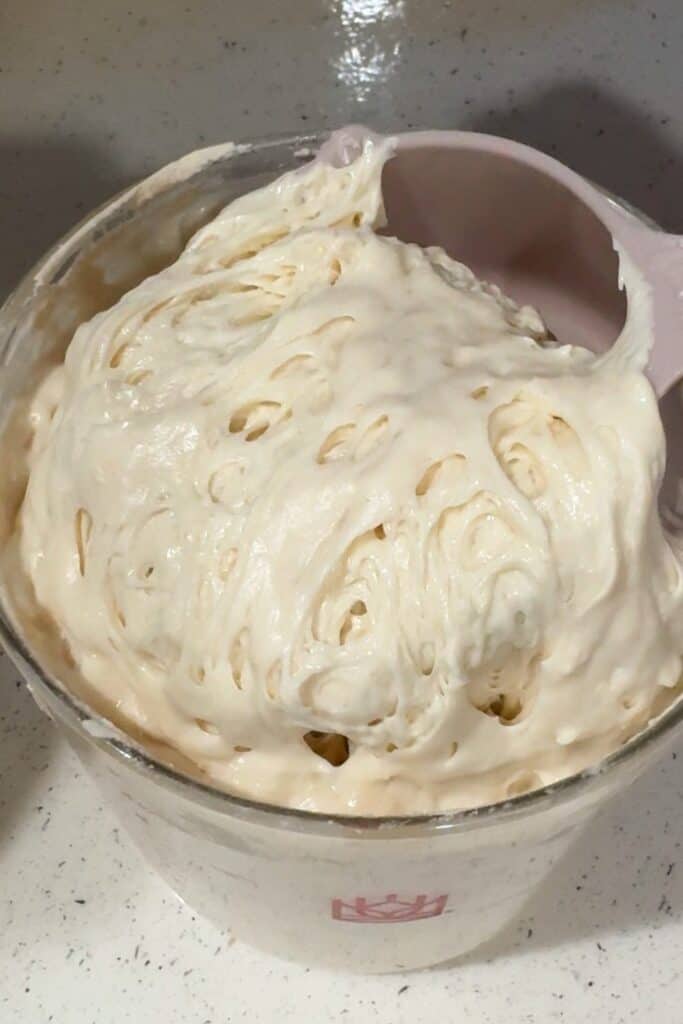
How to Make a Sourdough Starter
Step-by-step instructions for creating your own sourdough starter from scratch.
Read More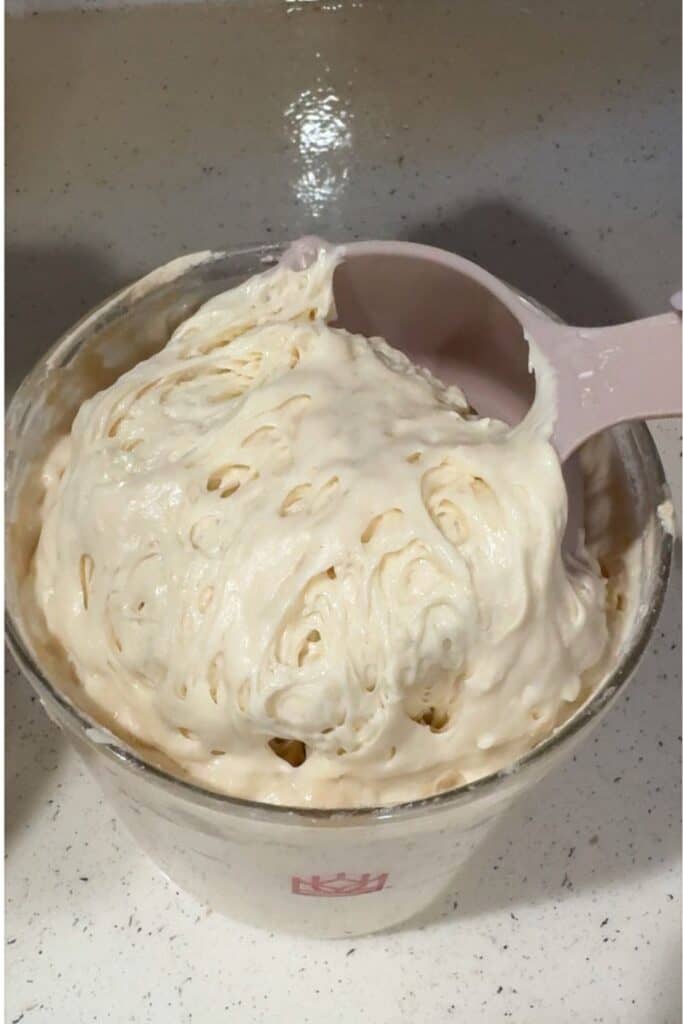
How to Feed Your Sourdough Starter
Everything you need to keep your starter healthy, active, and ready to bake.
Read More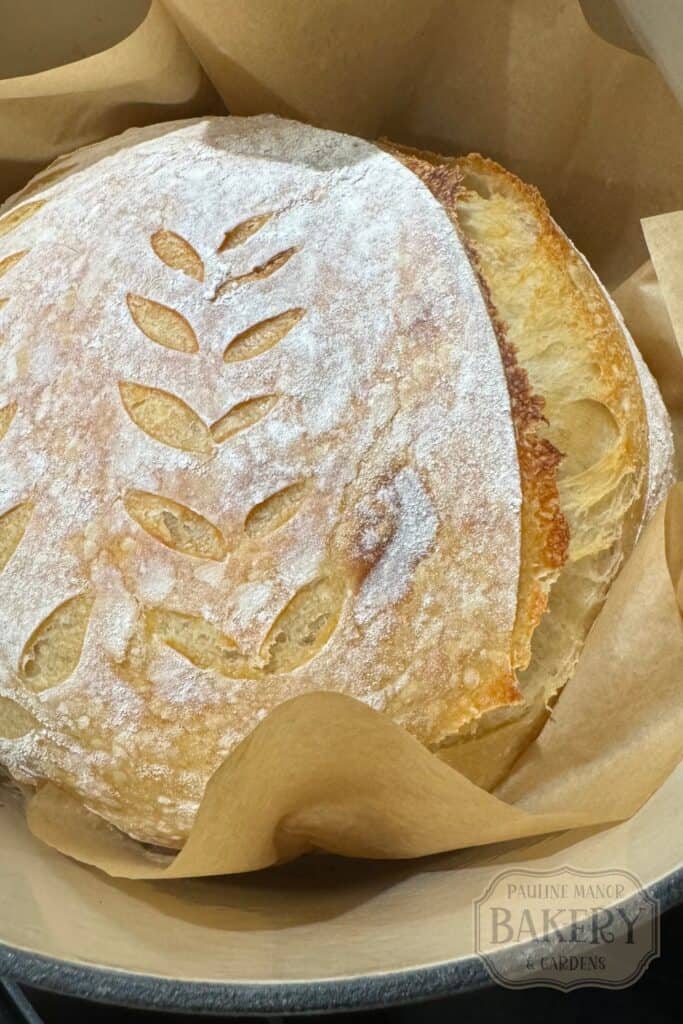
Beginner Sourdough Bread Recipe
My simple, step-by-step method for baking your first successful sourdough loaf.
Read More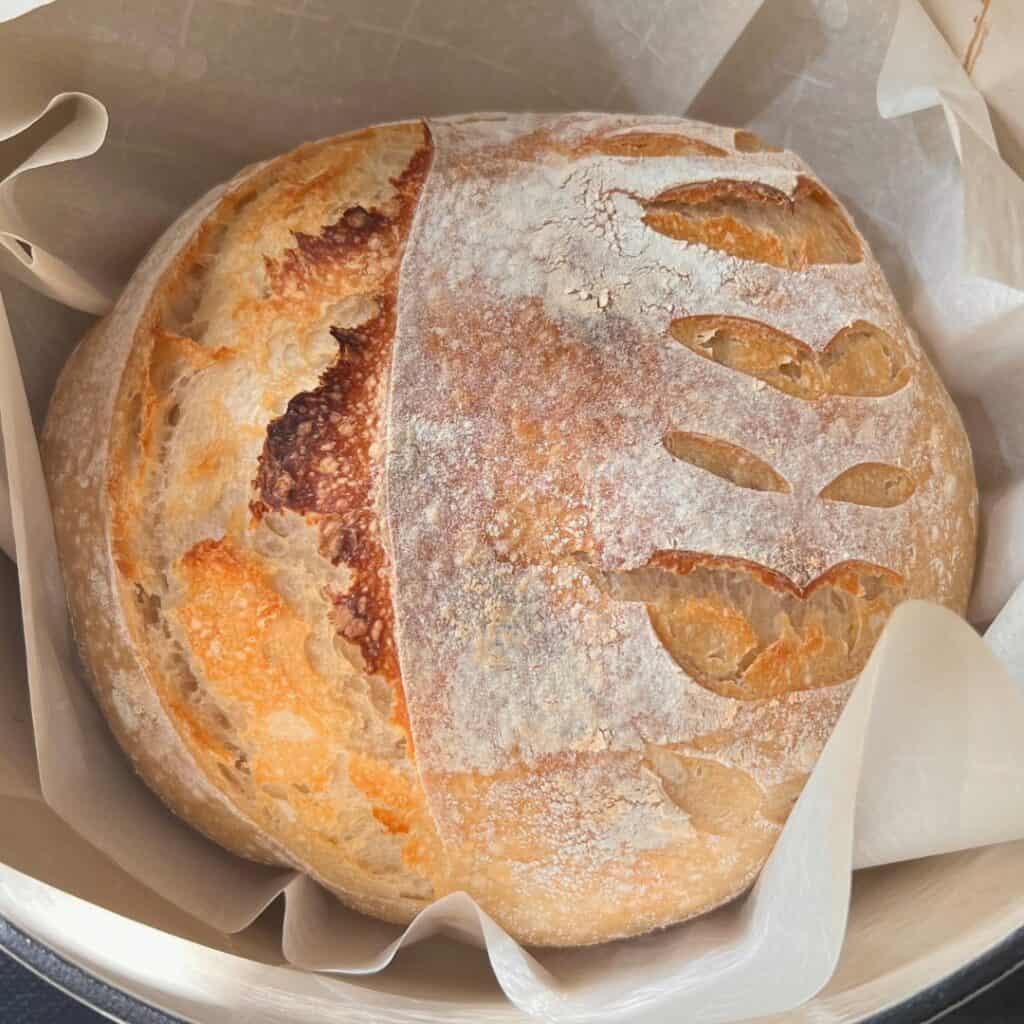
Common Sourdough Mistakes
The most common beginner mistakes, why they happen, and how to fix them.
Read More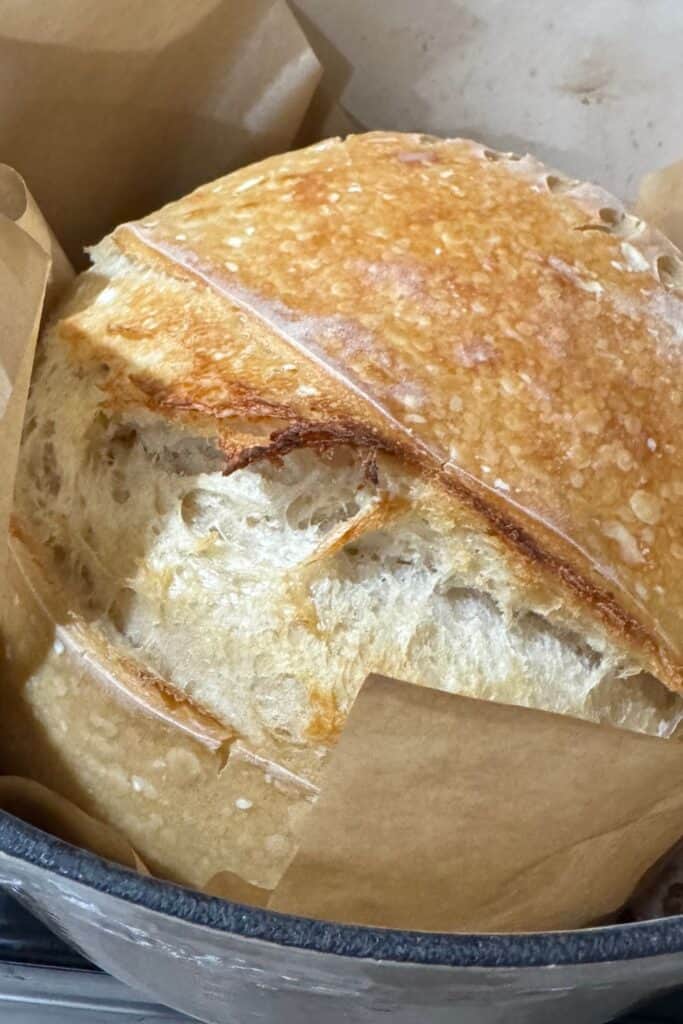
Sourdough FAQ
Straightforward answers to the questions new sourdough bakers ask most often.
Read More
Meet Lola
Lola is my sourdough starter and the heart of every loaf I bake. She is named after my late grandmother, whose love and kindness inspired so much of what Pauline Manor has become.
You can make your own starter from scratch, or begin with Lola, my dehydrated sourdough starter. With regular feeding and a little patience, she can become an active starter that you can keep, share, and bake with for years.
Meet Lola in the ShopSourdough FAQs
How long does it take to make a sourdough starter?
A new sourdough starter usually takes about seven to fourteen days to become consistently active, although every kitchen and starter is different. Temperature, flour, water, and feeding schedule all affect how quickly it develops. Your starter is ready to bake with when it reliably doubles in size after feeding, has plenty of bubbles, and smells pleasantly tangy rather than harsh or unpleasant.
Why is my sourdough starter not bubbling?
A quiet starter is often too cold, underfed, or still developing. Keep it somewhere comfortably warm and feed it consistently using fresh flour and water. Whole wheat or rye flour can sometimes help a sluggish starter become more active. Avoid feeding it again too quickly, since repeatedly diluting a weak starter can slow it down even more. Give it time to show signs of activity before the next feeding.
How often should I feed my sourdough starter?
A starter kept at room temperature generally needs to be fed about once every twenty-four hours. In a very warm kitchen, it may peak and become hungry sooner. A starter stored in the refrigerator can usually be fed about once a week when it is not being used regularly. Before baking, bring it to room temperature and feed it until it is rising predictably and showing strong activity again.
Can I use tap water for sourdough?
Tap water works well in many homes, especially when it does not have a strong chlorine smell. If your starter seems slow or repeatedly struggles, try filtered water or leave a container of tap water uncovered overnight before using it. Water should be room temperature or slightly warm. Very hot water can damage the natural yeast and bacteria that keep your starter active.
What flour is best for sourdough?
Unbleached all-purpose flour or bread flour both work well for maintaining a sourdough starter. Bread flour contains more protein and can provide additional strength, while whole wheat and rye flour contain more nutrients that may encourage activity. You do not need an expensive specialty flour. Consistency matters more than choosing one perfect type, so use a flour that is easy for you to keep on hand.
Why did my sourdough bread not rise?
Poor rise is commonly caused by a starter that was not active enough, dough that needed more fermentation time, or dough that fermented for too long and lost its structure. Look at the dough rather than relying only on the clock. During bulk fermentation, it should become smoother, lighter, slightly domed, and visibly aerated. Temperature also matters, since dough develops much more slowly in a cool kitchen.