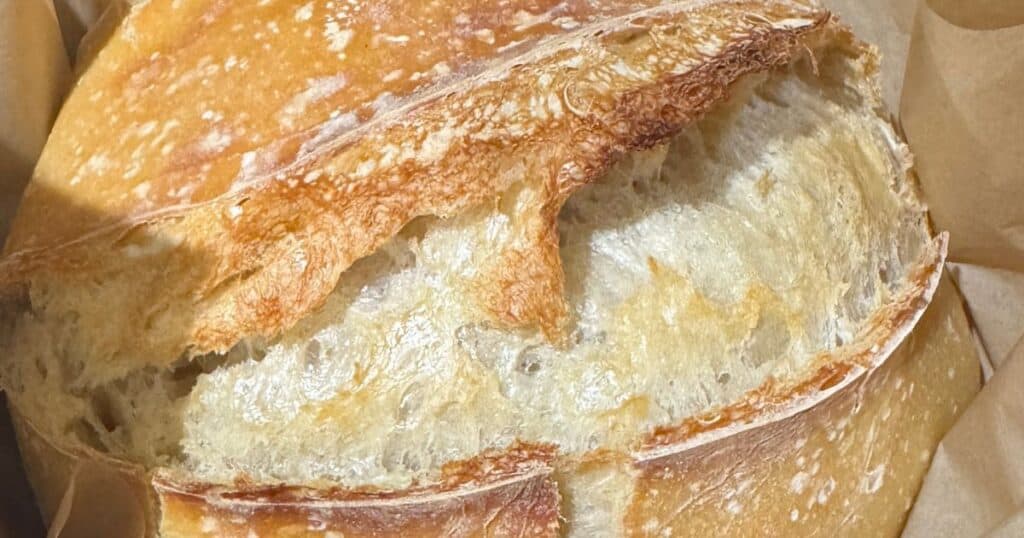
If you've ever wondered what makes sourdough different from the loaf of bread sitting on the grocery store shelf, you're definitely not alone. Sourdough has become incredibly popular over the last few years, but it also seems to come with its own language. Suddenly people are talking about feeding starters, wild yeast, hydration percentages, discard, fermentation, and proofing, and before long it can all feel a little intimidating.
This post may contain affiliate links which means we receive a small commission at no cost to you when you make a purchase. As an Amazon Associate, I earn from qualifying purchases.
The good news is that sourdough is actually much simpler than people often make it sound.
At its core, sourdough is simply bread that is naturally leavened instead of relying on commercial yeast. Once you understand how that one difference changes everything, the rest starts to make a lot more sense. Whether you're hoping to bake your very first loaf or you're simply curious about why people become so passionate about sourdough, this guide will walk you through exactly how it works.
What Is Sourdough?
Sourdough is bread that rises because of a living sourdough starter rather than packets of commercial baker's yeast.
That starter is made from nothing more than flour and water, yet over time it becomes home to millions of naturally occurring wild yeasts and beneficial bacteria. Those tiny organisms work together to ferment the dough, producing carbon dioxide that makes the bread rise while also creating the flavor, aroma, and texture that make sourdough so unique.
People often assume sourdough is a modern baking trend, but it is actually the oldest form of leavened bread in history. Long before commercial yeast was ever available, nearly every loaf of bread was made this way. Bakers simply maintained their starters from one bake to the next, passing them down through families for generations.
In many ways, baking sourdough today is simply returning to a method that has been around for thousands of years.
What Is Wild Yeast?
Wild yeast sounds mysterious, but it is something that surrounds us every single day.
Tiny yeast spores naturally exist in the air, on grains of wheat, on fruits, and even on your hands. When flour and water are mixed together, those naturally occurring yeasts begin feeding on the carbohydrates found in the flour.
As they feed, they multiply and produce carbon dioxide.
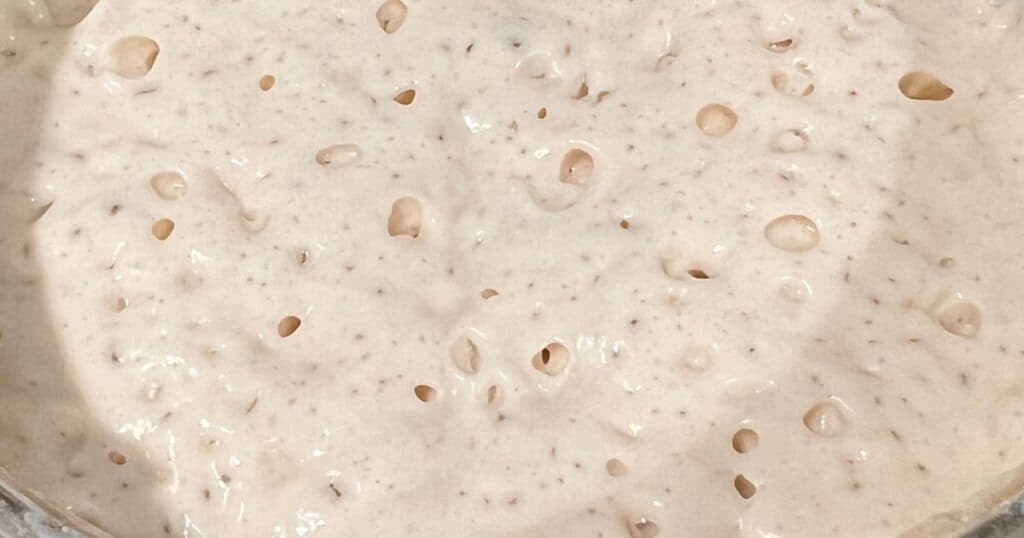
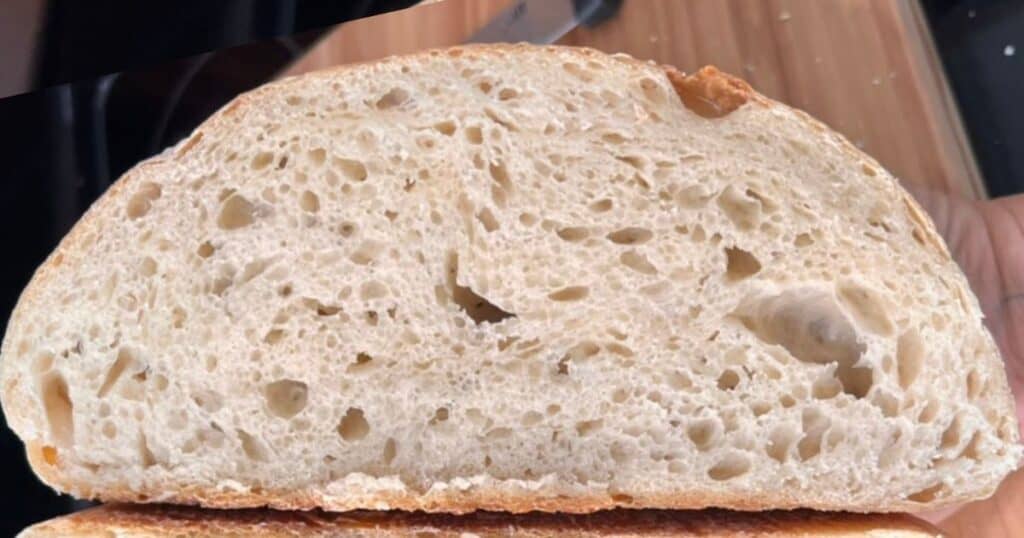
That carbon dioxide becomes trapped inside the dough, forming thousands of tiny air pockets that slowly expand as the dough ferments. Those bubbles are what eventually create the open crumb and chewy texture that sourdough is known for.
Unlike commercial yeast, wild yeast works much more slowly. While that may sound inconvenient, the slower fermentation is actually one of sourdough's greatest strengths because it allows far more flavor to develop before the bread is baked.
What Is a Sourdough Starter?
A sourdough starter is a living culture made by combining flour and water and allowing nature to do the rest.
Over several days, wild yeast and beneficial bacteria begin multiplying inside the mixture until it becomes strong enough to naturally raise bread. Once established, the starter is maintained through regular feedings of fresh flour and water.
Think of it as maintaining a small ecosystem.
Every time you feed your starter, you're giving the yeast and bacteria fresh food to keep growing. As long as it is cared for, a starter can live for decades or even centuries. Some famous bakery starters have been continuously maintained for well over one hundred years.
Despite what social media sometimes suggests, sourdough starters are remarkably resilient. They do not require constant attention, and once you understand their basic needs, they become surprisingly easy to maintain.
The Science Behind Sourdough
The magic of sourdough is really just biology doing what biology has always done.
Inside your starter are two primary groups of microorganisms working together.
Wild yeast is responsible for producing carbon dioxide, which causes the dough to rise.
Lactic acid bacteria produce both lactic acid and acetic acid as they ferment the flour. Those acids create the mild tangy flavor that people associate with sourdough while also strengthening the dough structure and helping preserve the finished loaf naturally.
Rather than competing with each other, the yeast and bacteria exist in a balanced partnership. Each benefits from the environment the other creates, resulting in a stable culture that continues reproducing every time it is fed.
This partnership is what makes sourdough different from bread made with commercial yeast alone.
Why Does Sourdough Taste Different?
One of the biggest reasons people fall in love with sourdough is its incredible flavor.
Commercial yeast works very quickly, which means there is relatively little time for complex flavors to develop before the bread is baked. Sourdough, on the other hand, ferments slowly over many hours and sometimes even overnight.
During that time, organic acids, alcohols, and aromatic compounds develop naturally throughout the dough. The result is bread with layers of flavor rather than simply tasting like flour.
Not all sourdough is intensely sour, despite what the name might suggest.
The flavor can range from very mild and buttery to pleasantly tangy depending on the starter, the fermentation time, the flour being used, the hydration of the dough, and even the temperature of your kitchen.
Is Sourdough Healthier Than Regular Bread?
Many people choose sourdough because they find it easier to digest than conventional bread, although everyone's experience is different.
During the long fermentation process, the microorganisms begin breaking down some of the starches and proteins naturally found in flour. Fermentation can also reduce phytic acid, a naturally occurring compound that can interfere with mineral absorption.
Some research suggests sourdough bread may have a lower glycemic response than some commercially produced white breads, although the exact effect depends on the ingredients and recipe being used.
It's important to remember that sourdough is still bread. It contains carbohydrates and calories just like other breads, but many people appreciate the way traditional fermentation changes both its flavor and its baking characteristics.
Why Does Sourdough Take So Long?
One of the biggest surprises for new bakers is how much waiting is involved.
Unlike commercial yeast, wild yeast simply moves at its own pace. Fermentation often takes several hours, and many recipes include an overnight rest in the refrigerator before baking.
That waiting is not wasted time.
While the dough rests, the gluten continues developing, flavors become more complex, and the structure of the loaf improves dramatically. Most of the work in sourdough happens while you're doing something else entirely.
In many ways, sourdough teaches patience. The bread is ready when the dough is ready, not when the clock says it should be.
Does Every Sourdough Starter Behave the Same?
Not exactly.
Every starter develops its own unique community of yeast and bacteria based on the flour you use, the temperature of your kitchen, your feeding schedule, and even the local environment where you live.
That means two people can follow the exact same recipe using different starters and still end up with loaves that look and taste slightly different.
That is one of the things many bakers enjoy most about sourdough. Every starter develops its own personality over time.
Common Sourdough Terms Beginners Should Know
As you begin learning about sourdough, you'll probably run into a few words that seem confusing at first.
Starter is your living culture of flour and water that naturally leavens bread.
Discard is the portion of starter removed before feeding. Despite the name, it doesn't always have to be thrown away and can be used in many recipes.
Feed means adding fresh flour and water to your starter.
Bulk fermentation is the first rise after the dough has been mixed.
Proofing is the final rise before baking.
Hydration refers to the amount of water compared to flour in a recipe, usually expressed as a percentage.
Once you understand these few terms, most sourdough recipes become much easier to follow.
Is Sourdough Difficult to Learn?
It certainly has a learning curve, but it is nowhere near as complicated as social media sometimes makes it seem.
There are countless videos and posts showing complicated techniques, expensive tools, and highly technical terminology that can make beginners feel like they need a degree in bread science before they can bake a loaf.
The reality is much simpler.
People have been making sourdough for thousands of years without digital scales, proofing boxes, expensive Dutch ovens, or perfectly climate-controlled kitchens. While those tools can certainly be helpful, they are not what makes great bread.
Like any skill, sourdough becomes easier with practice. Every loaf teaches you something new, and even the loaves that don't turn out exactly as planned are usually still delicious.
Final Thoughts
Sourdough is much more than a recipe. It is a process built around patience, observation, and working alongside nature instead of trying to rush it.
Once you understand that a sourdough starter is simply a living culture of wild yeast and beneficial bacteria, everything else begins to fall into place. Those tiny microorganisms are responsible for raising the dough, creating incredible flavor, and producing the beautiful artisan loaves that have been enjoyed for thousands of years.
If you're just getting started, don't worry about making a perfect loaf right away. Focus on learning how your starter behaves, enjoy the process, and remember that every experienced sourdough baker started exactly where you are today.
The best way to understand sourdough isn't by reading about it. It's by mixing flour and water, getting your hands a little messy, and baking your very first loaf.