
If you live in a warm climate like Northwest Florida, choosing the right blueberry plants makes all the difference. Not every blueberry bush can handle heat, humidity, and mild winters, which is why it helps to look specifically for the best blueberry varieties for Zone 9.
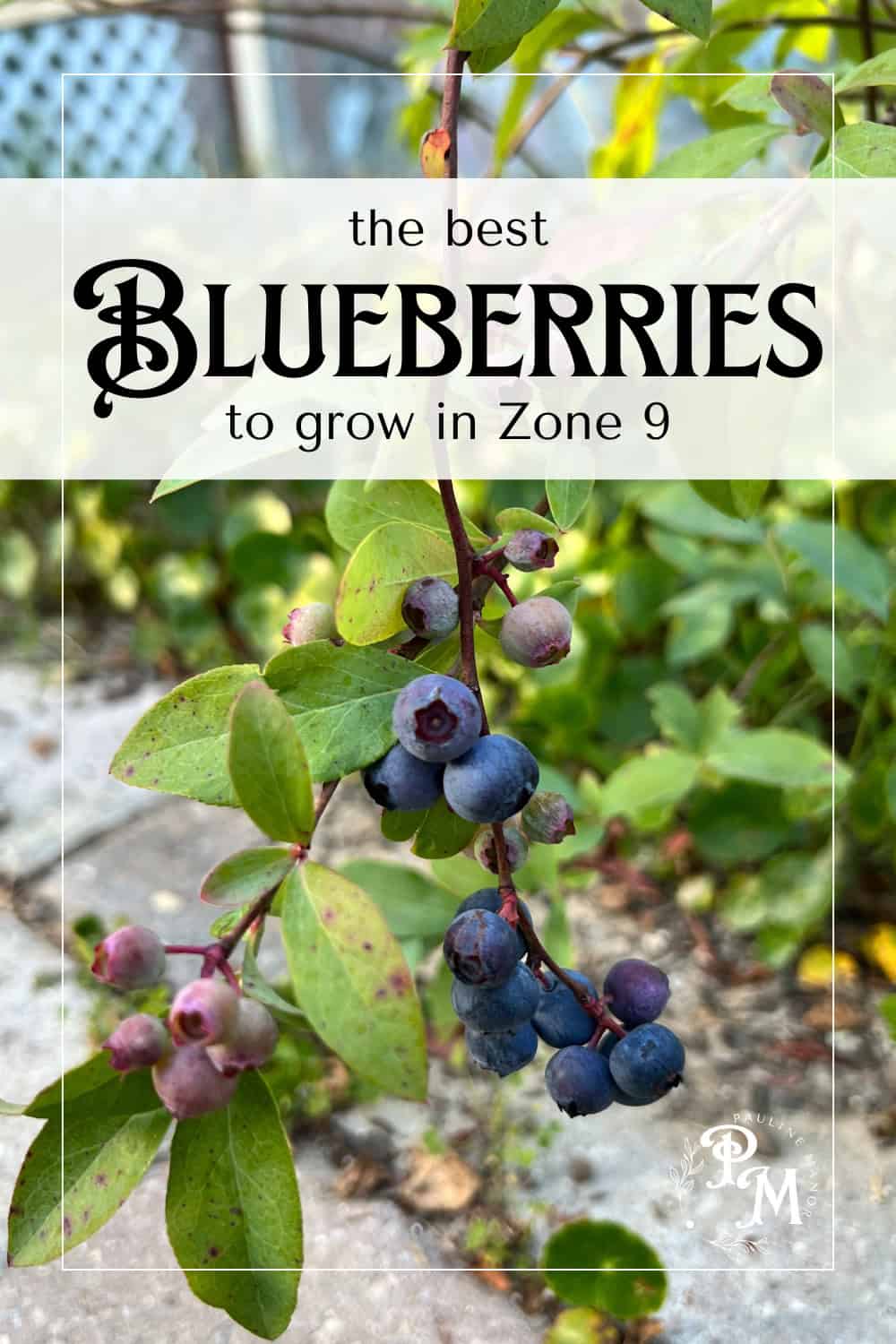
Here at Pauline Manor, I recently planted several blueberry bushes that are known to perform well in southern gardens. These varieties are reliable producers, handle our climate, and give you a mix of flavors and harvest times throughout the season.
Why Rabbiteye Blueberries Are the Best Blueberry Varieties for Zone 9
Gardeners in cooler climates often grow northern highbush blueberries, but those plants require long cold winters in order to produce fruit. In warmer regions like Florida, Alabama, and parts of Texas, those varieties often struggle.
In warm climates like Florida and the Gulf Coast, the best blueberries to grow are called rabbiteye blueberries. Rabbiteye is not a specific variety but a group of blueberries adapted to heat and lower winter chill hours. Popular rabbiteye varieties include Climax, Austin, Bluebelle, and Powderblue.
Rabbiteye blueberries are among the most dependable choices for Zone 9 gardens, particularly in Northwest Florida and other parts of the Gulf Coast. They thrive in warm southern summers, tolerate sandy soil, and grow into large, productive bushes over time.
Another benefit is that rabbiteye blueberries cross pollinate with each other. Most rabbiteye blueberries produce better when another compatible rabbiteye variety blooms nearby at the same time. Choosing varieties with overlapping bloom periods can improve fruit set, berry size, and overall yield.
Georgia Gem Blueberry
Georgia Gem blueberries are grown primarily for their flavor. The berries are medium sized and have a rich, sweet taste that works beautifully for baking and homemade preserves.
This variety performs well in warm southern climates and produces reliable harvests once the bush is established. If you enjoy making blueberry muffins, cobblers, or jam, Georgia Gem is one of the best blueberry varieties for Zone 9 to include in your garden.
Bluebelle Blueberry
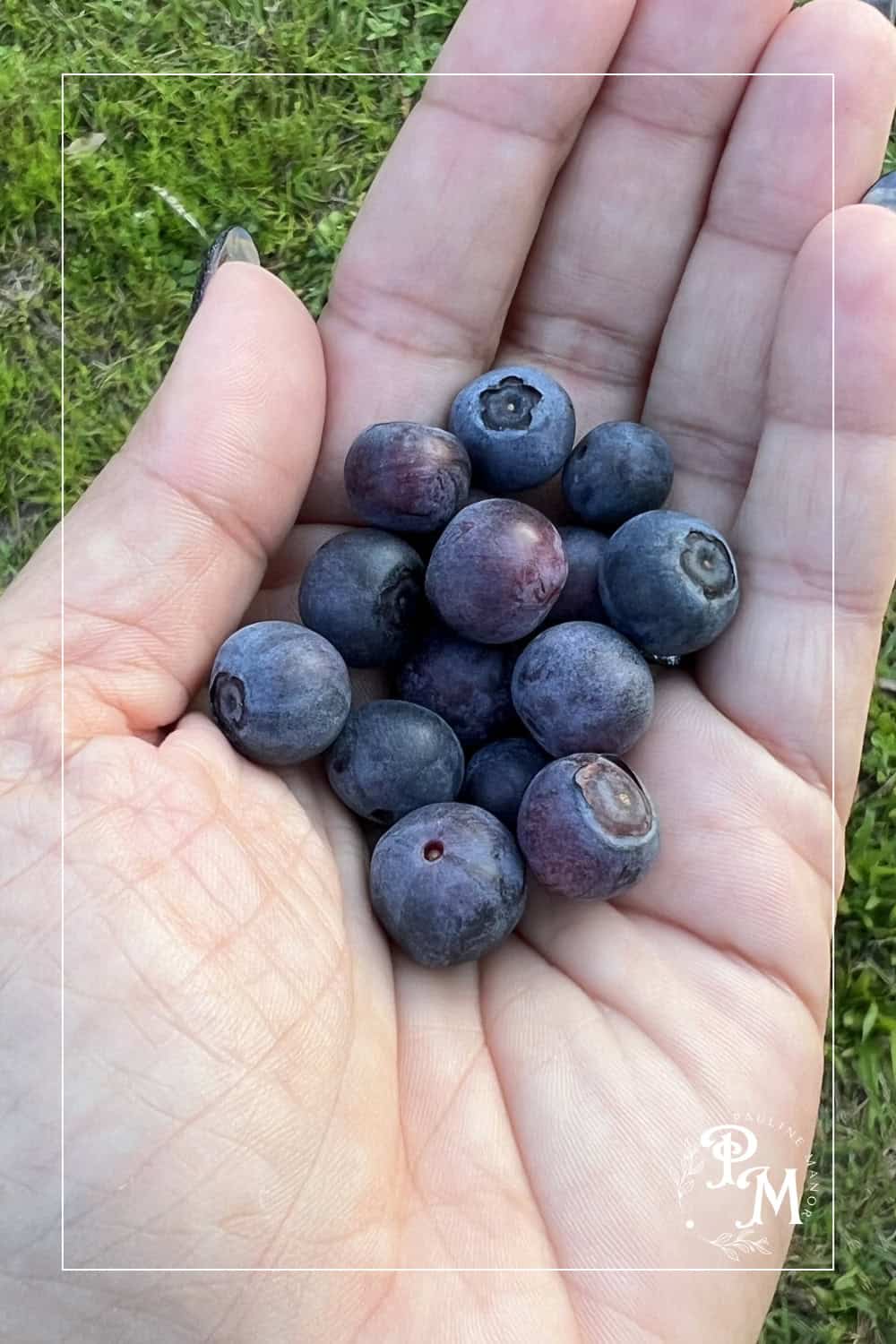
Bluebelle is an older southern variety that has been grown for decades because of its reliability. The plants grow vigorously and handle heat and humidity without much trouble.
The berries tend to be smaller than some modern varieties, but they are known for their sweetness and strong blueberry flavor. Bluebelle remains one of the best blueberry varieties for Zone 9 because of its productivity and durability.
Pink Lemonade Blueberry
Pink Lemonade blueberries are one of the most unique varieties you can grow. Instead of the typical dark blue fruit, the berries ripen to a soft pink color.
The flavor is sweet and slightly mild, and the plant itself is attractive enough to be used in landscape beds. Pink Lemonade blueberries are partially self fertile, though they still benefit from being planted near other rabbiteye varieties.
For gardeners who want something a little different, Pink Lemonade is a fun addition to a collection of the best blueberry varieties for Zone 9.
Powderblue Blueberry
Powderblue is widely considered one of the most productive rabbiteye blueberries for southern gardens. The plants are vigorous and often produce large harvests later in the season.
The berries are medium to large with a classic blueberry flavor that works well for fresh eating or freezing for later use. Because of its reliability and high yields, Powderblue is frequently listed among the best blueberry varieties for Zone 9.
Climax Blueberry
Climax is an early season rabbiteye blueberry that is commonly grown throughout the Southeast. It ripens earlier than many other varieties, which helps extend the harvest season when planted with later producing bushes.
The berries are medium sized and sweet, making Climax a dependable choice for home gardeners who want a steady blueberry harvest.
Austin Blueberry
Austin blueberries are another strong performer in warm climates. The bushes grow vigorously and produce good yields once established.
Like other rabbiteye varieties, Austin benefits from cross pollination with nearby blueberry plants, which helps improve berry size and production. Its adaptability to heat makes it one of the best blueberry varieties for Zone 9 gardens.
Do You Need Multiple Blueberry Plants?
Most rabbiteye blueberries produce better when planted near other varieties. Cross pollination improves fruit size and overall yields, which is why many gardeners choose to plant several types together.
Having multiple varieties also spreads out the harvest season. Some bushes produce earlier in the year, while others ripen later, allowing you to enjoy fresh blueberries for a longer period.
How to Grow Blueberries Successfully in Zone 9
Blueberries grow well in Zone 9 when given the right conditions. The most important factor is soil acidity. Blueberries prefer soil with a pH between 4.5 and 5.5, which is lower than many common garden plants.
Adding organic materials such as peat moss or pine bark can help create the acidic environment blueberries prefer. A thick layer of pine straw or pine bark mulch will also help retain moisture and protect the shallow roots.
Plant blueberry bushes in full sun and keep them watered during dry periods. With the right soil and sunlight, blueberry bushes can produce fruit for many years and become one of the most rewarding plants in a southern garden.
Frequently Asked Questions
What type of blueberry grows best in Zone 9?
Rabbiteye blueberries are among the most dependable choices for much of the Gulf Coast and the Florida Panhandle. Some low-chill southern highbush cultivars can also grow in Zone 9, depending on local conditions.
Do blueberry bushes need a second variety for pollination?
Most rabbiteye blueberries produce better with another rabbiteye cultivar nearby. The two varieties should bloom at approximately the same time for effective cross-pollination.
What soil pH do blueberries need?
Blueberries generally grow best in acidic soil with a pH around 4.5 to 5.5. A soil test should be completed before adding sulfur or other amendments.
Can blueberries grow in sandy Florida soil?
They can grow in sandy soil when it is acidic, well drained, rich in organic material, and kept consistently moist. Sandy soil alone does not guarantee suitable growing conditions.
How much sun do blueberry bushes need?
Blueberry bushes produce best in full sun. They can tolerate some partial shade, but reduced sunlight usually means fewer flowers and a smaller harvest.