
Each fall, tucked between pumpkins and gourds at the grocery store, you will find cinnamon-scented brooms leaning against displays. Their spicy aroma fills the air and instantly calls up feelings of warmth and nostalgia. For most people, they are a seasonal decoration, but the cinnamon broom actually carries a fascinating history, deep folklore, and even a few practical uses that go beyond the scent.
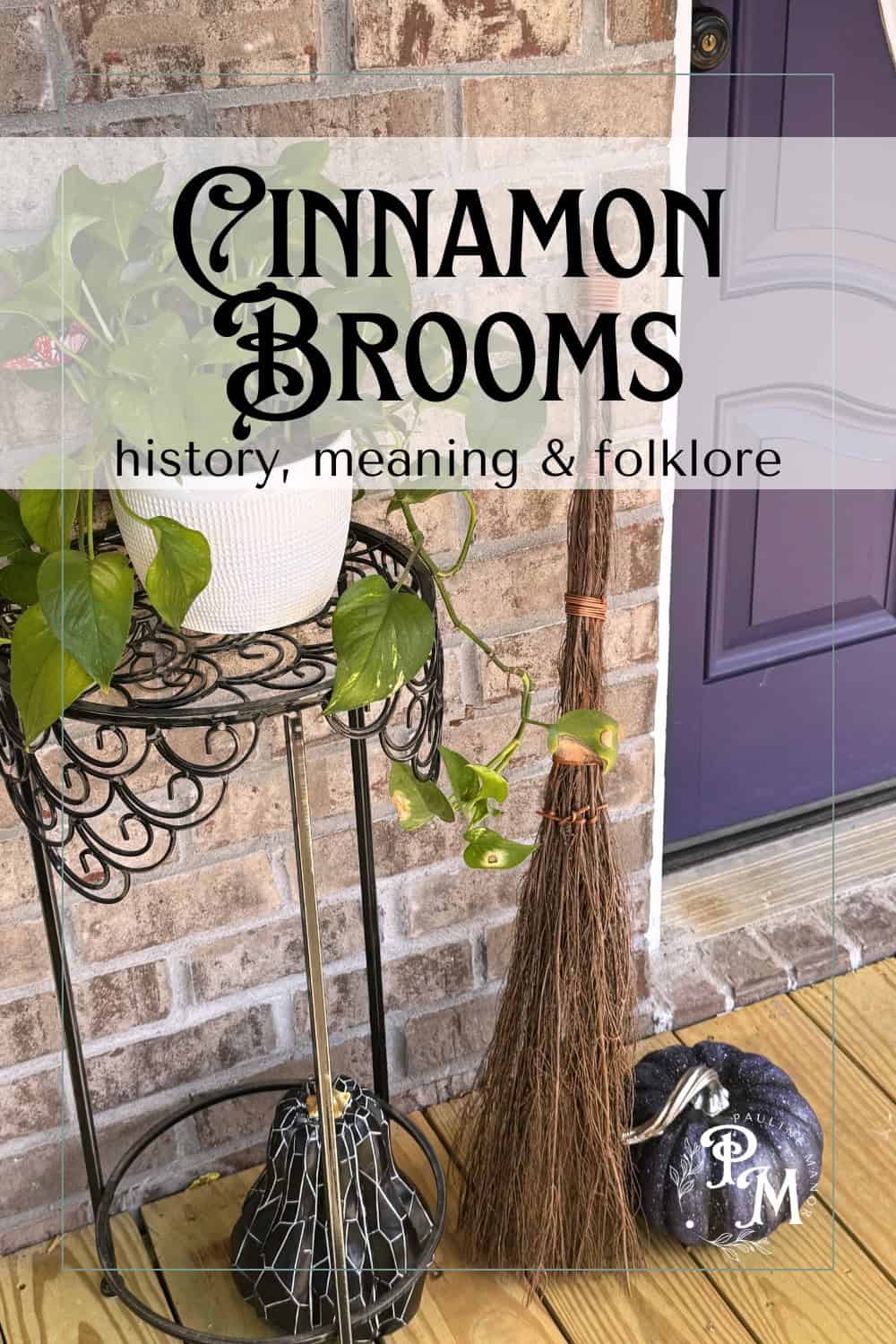
What Is a Cinnamon Broom?
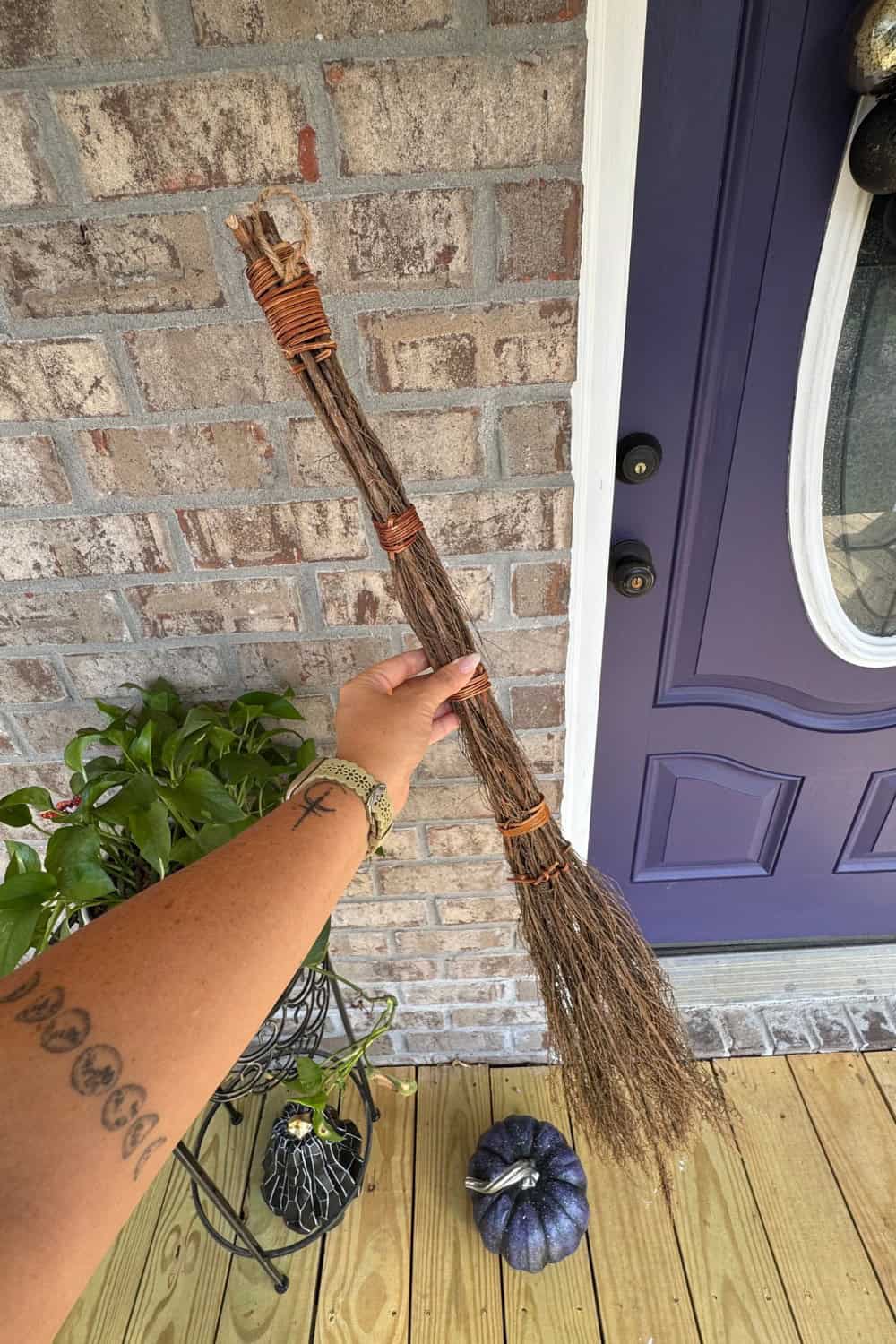
A cinnamon broom is a small decorative broom, usually made of pine needles, broomcorn, or wood shavings, that’s been scented with cinnamon oil. You’ll find them in stores every fall.
They’re not for sweeping. They’re for hanging by the door, propping in a corner, or tucking into the kitchen so the whole house smells like the holidays are coming.
And depending on who you ask, they’re a little more than decor. In folklore, a cinnamon broom is a charm for protection, prosperity, and a warm, welcoming home.
The History of the Cinnamon Broom
Cinnamon has been one of the most prized spices in the world for thousands of years. It was traded across continents, used in food, medicine, and ritual, and valued so highly that it was once considered more precious than gold. The broom itself, sometimes called a besom, comes from European and Appalachian folk traditions. Brooms were never just tools for sweeping floors. They were symbols of protection, new beginnings, and domestic well-being.
Over time, people began binding fragrant herbs and woods into brooms and hanging them near doors or in kitchens to freshen the air. The cinnamon broom you find in stores today borrows from these older traditions, blending practicality with folklore. It is both decorative and symbolic, and it continues to hold meaning in modern homes each autumn.
Cinnamon Broom Spiritual Meaning and Folklore
The broom has long been a symbol of clearing away what no longer serves you. In folklore, sweeping the threshold of a new home removed bad luck and created space for prosperity. Hanging a broom by the front door was believed to keep unwanted energy from entering.
Adding cinnamon strengthened this symbolism. Cinnamon has always been tied to warmth, abundance, love, and luck. When the two come together, the cinnamon broom becomes more than décor. It is a charm for hospitality, protection, and prosperity. No wonder they show up just as we head into the darker, colder months of the year.
So what’s the spiritual meaning of a cinnamon broom (or cinnamon broomstick, depending on where you grew up)? It comes down to three things. Protection, because brooms have always guarded the threshold. Prosperity, because cinnamon was once worth its weight in gold. And hospitality, because nothing says come in, sit down like a house that smells like cinnamon. Hang one with intention and it does a little of all three.
How to Use a Cinnamon Broom
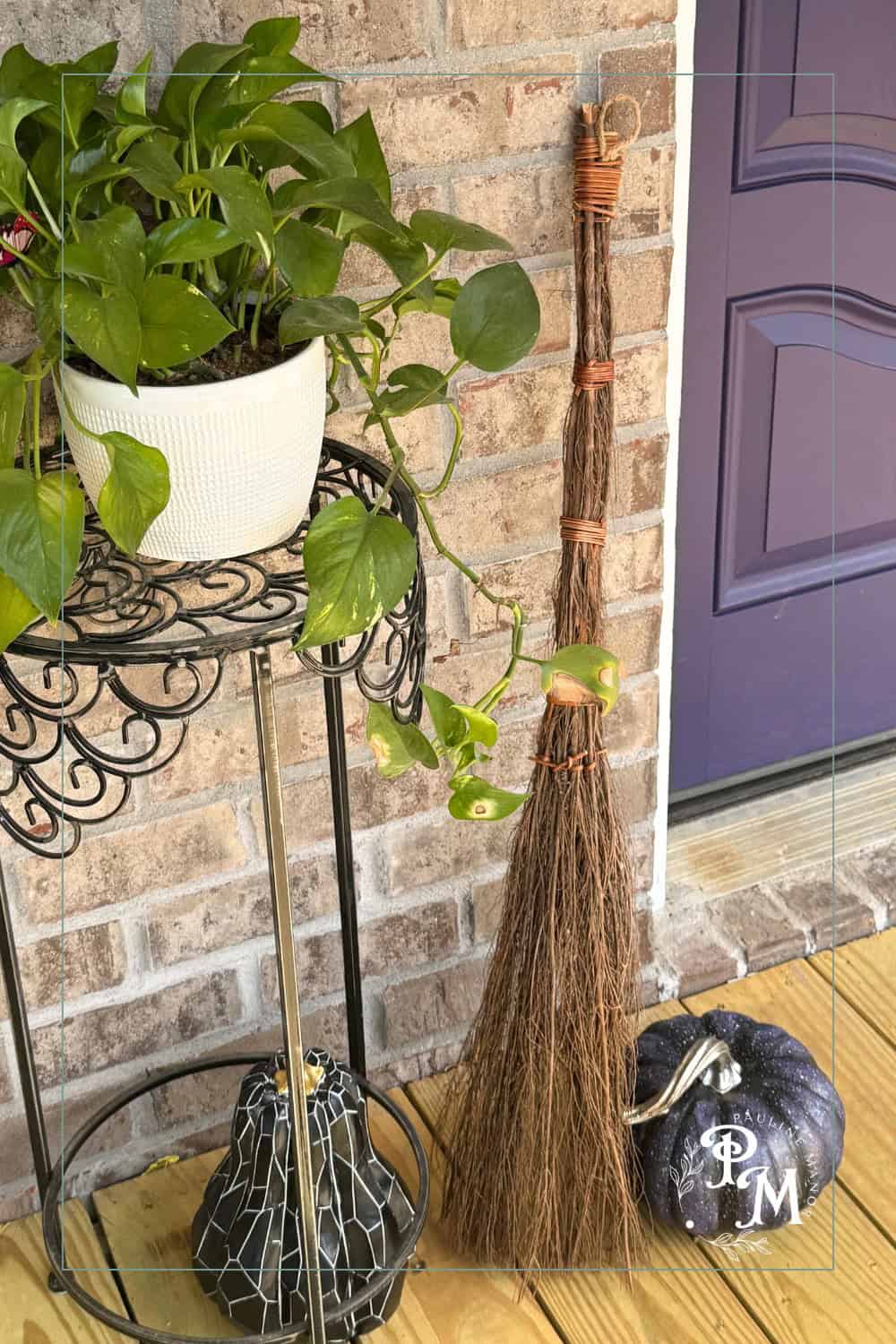
Most people simply place a cinnamon broom in an entryway or near the fireplace, where it offers both a pleasant aroma and a seasonal touch. If you want to lean into tradition, place it by the front door to keep the threshold clear of negativity, or hang it in the kitchen to invite abundance into the heart of your home.
Other ideas include:
- Hanging one on the wall as part of your fall décor.
- Laying one across a mantle with pumpkins and candles for a rustic display.
- Using it as a centerpiece by tying seasonal ribbon or herbs to the handle.
Wherever you place it, the broom becomes a simple seasonal ritual that connects the household to old traditions of hearth and home.
Where to Put a Cinnamon Broom
The traditional spot is by the front door. The threshold is where folklore says energy comes and goes, so that’s where the broom does its job. But you have options.
- By the front door: The classic placement for protection. Inside the door is best, since sun and rain wear them down fast.
- In the kitchen: The heart of the home and the place to invite abundance. Hang it near the pantry, not the stove.
- In a pantry or closet: This is where the pest-deterrent side of cinnamon earns its keep.
- In a guest room: A small, warm welcome for anyone staying over.
Where Not to Put One
- Near heat or flame: Fireplaces, stoves, and candles. These brooms are dry and oiled, which is a bad combination near fire.
- In damp spots: Bathrooms and humid porches dull the scent and can invite mildew.
- In direct sun: Sun bakes the scent out faster.
- Where pets can reach it: Concentrated cinnamon oil can irritate dogs and cats if they chew on it. Hang it high.
How to Hang a Cinnamon Broom
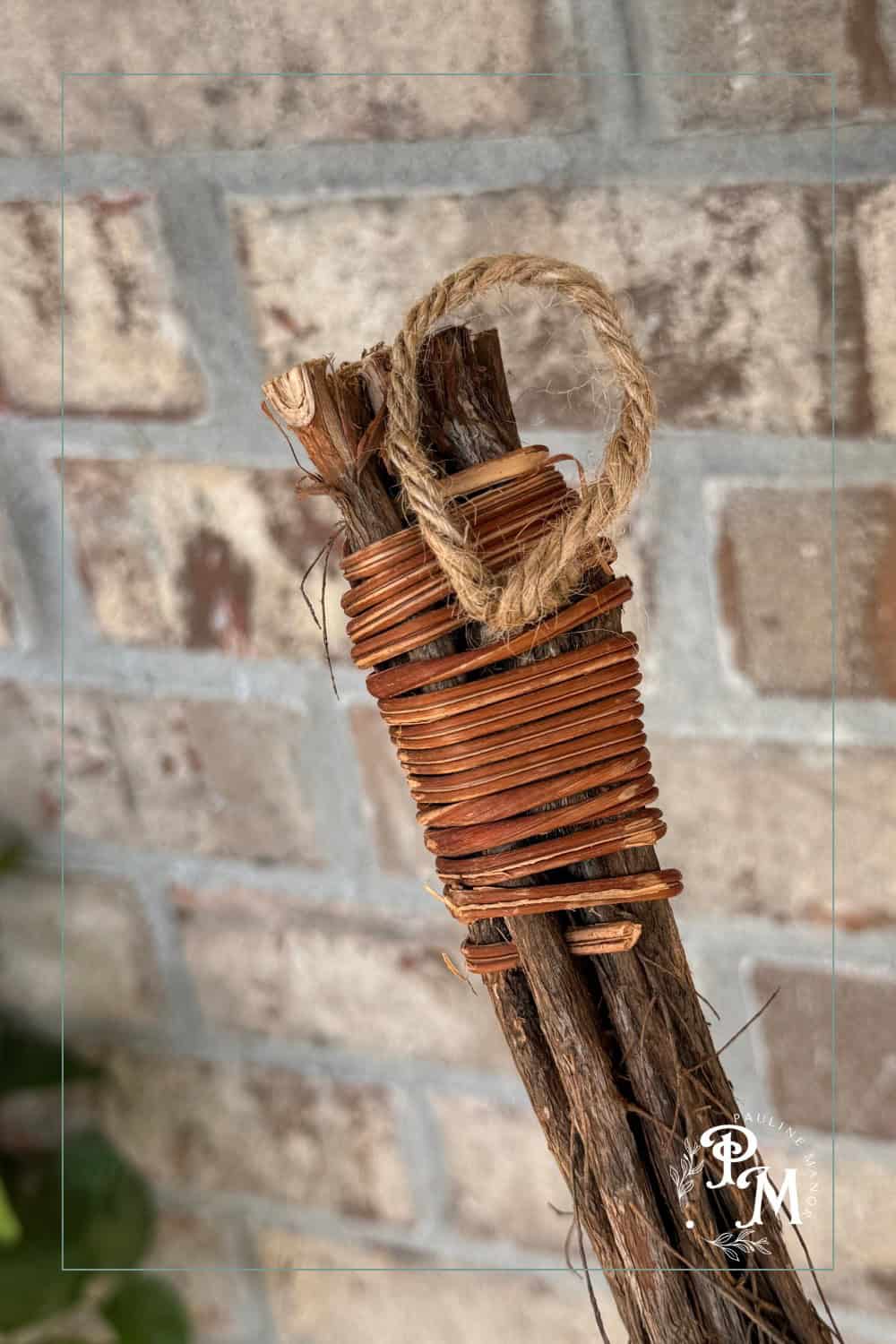
Most store-bought cinnamon brooms come with a loop of twine or raffia at the top of the handle, so all you need is a nail, a small hook, or a removable adhesive hook rated for a few pounds. Over a doorway, a small nail tucked into the trim keeps it from wobbling every time the door opens.
Bristles Up or Bristles Down?
This is where folklore gets fun, because the traditions don’t agree. Some say to hang a broom bristles up over the door to catch bad luck before it gets in. Others say bristles down sweeps negativity back out where it came from. And some say bristles up means good fortune stays put.
My take? Pick the meaning that feels right to you and hang it that way on purpose. The intention matters more than the angle.
How Long Does a Cinnamon Broom Last?
The broom itself lasts for years. The scent is another story.
A store-bought cinnamon broom is strongest for the first few weeks. Most stay noticeable through the fall and into the holidays, then fade to a faint whisper by the new year. How fast it goes depends on heat, sun, humidity, and how heavily it was scented to begin with.
How to Make the Scent Last Longer
- Keep it out of direct sun and away from heat vents.
- Store it in a sealed bag or bin at the end of the season, in a cool, dark spot.
- Refresh it with a light mist of water and a few drops of cinnamon essential oil.
- Tuck a few whole cinnamon sticks into the bristles for an extra boost.
Little-Known Benefits of Cinnamon Brooms
While most people enjoy them for their scent, cinnamon brooms actually have a few unexpected benefits.
A Natural Pest Deterrent
The strong fragrance of cinnamon can discourage certain insects, including ants, silverfish, and moths. Hanging a broom in a pantry or closet not only adds a cozy smell, it can also help keep pests at bay without relying on chemicals.
A Mood and Energy Boost
Cinnamon is often used in aromatherapy for its ability to reduce fatigue and improve focus. Having a cinnamon broom in your home may not be as concentrated as burning a candle or diffusing essential oil, but the scent still has a subtle effect. Many people find it uplifting and energizing during the darker days of autumn.
A Symbol of Prosperity
Because cinnamon was once considered as valuable as gold, it became associated with abundance and good fortune. A cinnamon broom can be viewed as a charm for prosperity, welcoming good energy into the home throughout the season.
A Natural Air Freshener
Unlike synthetic sprays or plug-in air fresheners, a cinnamon broom releases its fragrance slowly without adding artificial chemicals to your air. For those sensitive to artificial fragrances, this can be a more natural option.
Seasonal Rituals
In some traditions, an old broom is burned at the end of the year as a way to sweep away the past and make space for what is ahead. A cinnamon broom lends itself beautifully to this practice. Once its fragrance has faded, it can be repurposed in a seasonal fire as a ritual of release and renewal.
How to Make Your Own Cinnamon Broom
If you love the look and scent of cinnamon brooms but want to create one yourself, it’s easier than you might think. A homemade broom can be customized to fit your décor and can even be re-scented each season so you can use it year after year.
What You’ll Need
- A small bundle of broomcorn, straw, or twigs (grapevine or birch also works)
- Strong twine or natural jute cord
- A wooden dowel or sturdy stick for the handle
- Ground cinnamon and a few cinnamon sticks
- Optional herbs or spices such as clove, star anise, orange peel, or nutmeg
- Cinnamon essential oil (for scenting)
Step-by-Step Instructions
- Prepare the Handle: Choose a sturdy stick or dowel and sand it lightly if needed. You can stain or oil it for a polished finish, or leave it natural for a rustic look.
- Bundle the Straw or Twigs: Arrange your broomcorn or twigs so that the thick ends line up evenly. If you want a fuller broom, make two smaller bundles and tie them together.
- Attach the Handle: Place the handle inside the bundle, about four to six inches deep, and secure it tightly with twine or jute. Wrap it several times to make sure it holds.
- Add the Fragrance: Sprinkle ground cinnamon and your chosen spices directly into the bristles. Add a few cinnamon sticks between the twigs for both scent and decoration.
- Enhance with Essential Oil: In a small spray bottle, mix a few drops of cinnamon essential oil with water and lightly mist the broom. Let it dry completely before hanging.
- Decorate if You’d Like: Tie a piece of ribbon, burlap, or raffia around the base of the broom. You can also add dried orange slices, small pinecones, or bits of dried herbs for a more festive touch.
What to Do When the Scent Fades
The scent of a cinnamon broom is strongest when it is new, but it does eventually fade. Instead of throwing it away, try one of these ideas:
- Refresh it with a light mist of water mixed with cinnamon essential oil.
- Burn it outdoors as part of a year-end ritual, in a fire pit, never indoors. Store-bought brooms are often treated with fragrance oils you don’t want in your living room air.
- Reuse it in the garden by breaking apart the twigs and adding them to mulch.
- Craft with it by cutting the broom into smaller bundles and tying them with ribbon for rustic ornaments or gift toppers.
Each option gives the broom a second life, extending its usefulness well beyond the season.
Why You Should Have One In Your Home This Fall
A cinnamon broom is more than just a seasonal decoration. It carries centuries of history, layers of folklore, and practical benefits that reach beyond the simple scent. Whether you enjoy it as a natural air freshener, a protective charm, or simply a cozy accent for your home, the cinnamon broom is a small tradition that carries a big impact.
Bringing one into your home each fall is an easy way to honor the season, connect with old traditions, and add a little extra warmth to your everyday life.
Frequently Asked Questions
What is a cinnamon broom?
A small decorative broom, usually pine or broomcorn, scented with cinnamon oil. It’s used as seasonal decor and, in folklore, as a charm for protection and prosperity.
What does a cinnamon broom symbolize?
In folklore and spiritual traditions, cinnamon brooms symbolize protection, prosperity, good fortune, and clearing unwanted energy from the home. These are beliefs and traditions, not literal properties of the broom.
Where should you put a cinnamon broom?
The traditional spot is just inside the front door, since brooms have long been tied to thresholds and protection. Kitchens, pantries, and entryways all work too. Keep it away from heat, open flame, humidity, and pets.
Should a cinnamon broom hang bristles up or down?
Folklore goes both ways. Bristles up is said to catch bad luck or keep good fortune in. Bristles down is said to sweep negativity out. Choose the meaning that resonates with you.
How long does a cinnamon broom last?
The broom lasts for years, but the scent is strongest for the first few weeks and usually fades over a couple of months. Store it sealed in a cool, dark place and refresh it with cinnamon essential oil to extend it.
What is a cinnamon broom used for?
Mostly fragrance and seasonal decor. Traditionally they’re also hung for protection and prosperity, and the cinnamon scent may help discourage pests like ants and moths.
Can you reuse a cinnamon broom?
Yes. Refresh the scent with essential oil each fall, or repurpose it into small bundles for ornaments and gift toppers.
If you’ve made it this far, you probably love learning the history behind everyday things as much as I do. Cinnamon has been used for everything from medicine to magic for thousands of years, and there’s a good reason it’s on my list of the Top 10 Spices for a Home Apothecary. If you’ve been thinking about starting your own home apothecary, I’ve also put together a Beginner’s Guide to a Home Apothecary to help you get started.