
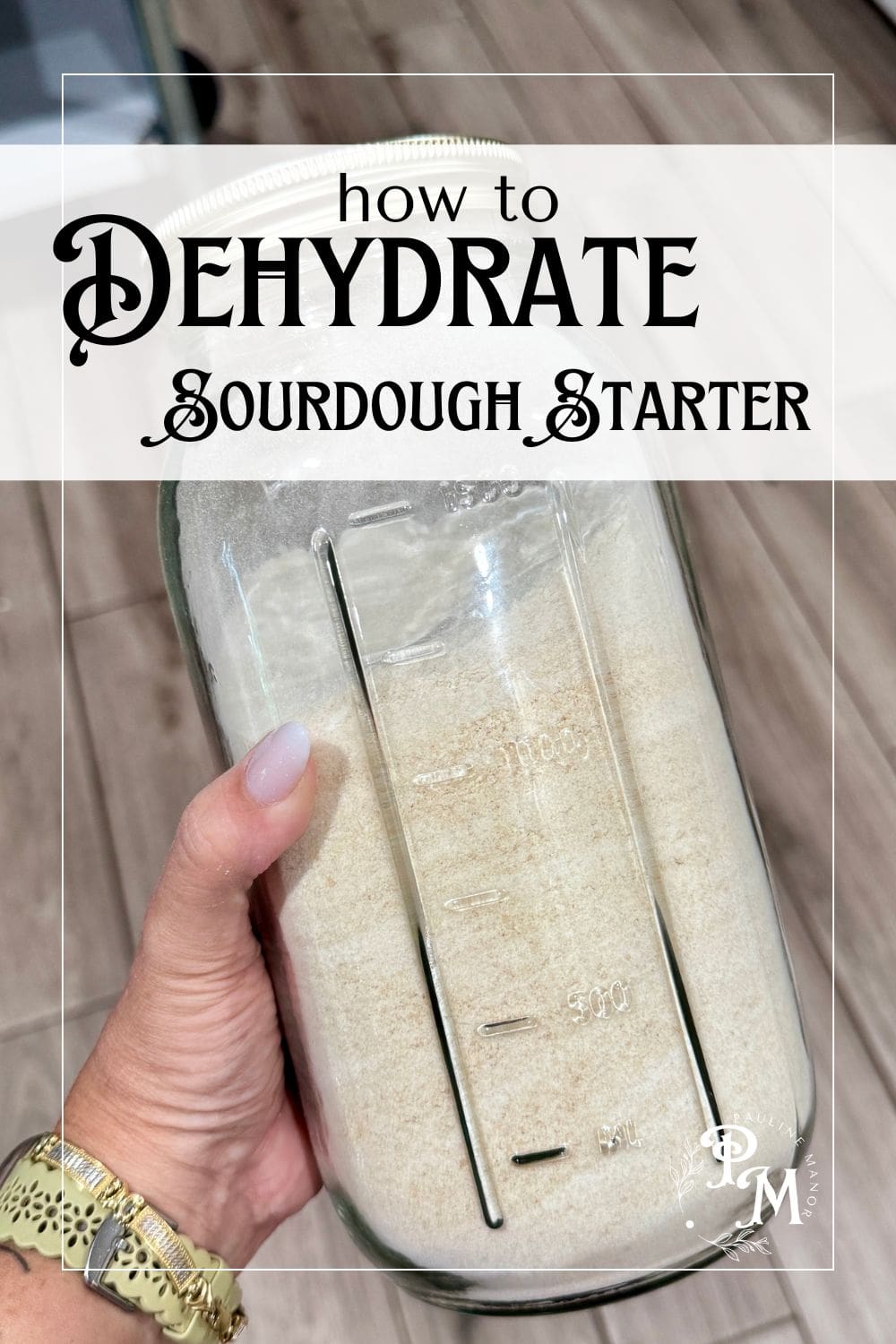
Dehydrating sourdough starter is one of the easiest ways to make sure you always have starter on hand, whether that’s as a backup in case something goes sideways, something you can store long term without thinking about it, something you can gift, or something you can actually use in recipes like pancake mix, brownies, and other dry goods.
This post may contain affiliate links which means we receive a small commission at no cost to you when you make a purchase. As an Amazon Associate, I earn from qualifying purchases.
Once it’s dried, sourdough starter becomes shelf-stable, easy to store, and a lot more flexible than keeping everything in a jar on the counter or in the fridge, especially if you’re not baking every single day or you’re starting to branch into things like dry mixes where a live starter doesn’t make sense.
The process itself is simple, but how you do it and what you do with it after it’s dried is what makes the difference between something that just sits in a jar and something you’ll actually use.
Why You Should Dehydrate Sourdough Starter
Dehydrating sourdough starter puts it into a dormant state so the yeast and bacteria can survive without feeding. That means no stress if life gets busy, no worrying about whether it’s still alive in the fridge, and no starting over from scratch.
It’s one of the easiest ways to keep a backup, pause your starter, ship it safely, or turn it into something you can actually use in shelf-stable recipes like pancake mix, brownies, and other dry goods you want to keep on hand.
Start With an Active, Healthy Starter
Before you dry anything, feed your starter and let it reach peak activity. You want it bubbly, doubled, and strong because that’s what you’re preserving.
If your starter is weak going in, it’s going to be slow and frustrating when you try to bring it back. This is where it helps to already have a solid routine for feeding and strengthening your starter so you know you’re working with something reliable.
How To Dehydrate Sourdough Starter Without a Dehydrator
This is the simplest method and it works just fine for most people.
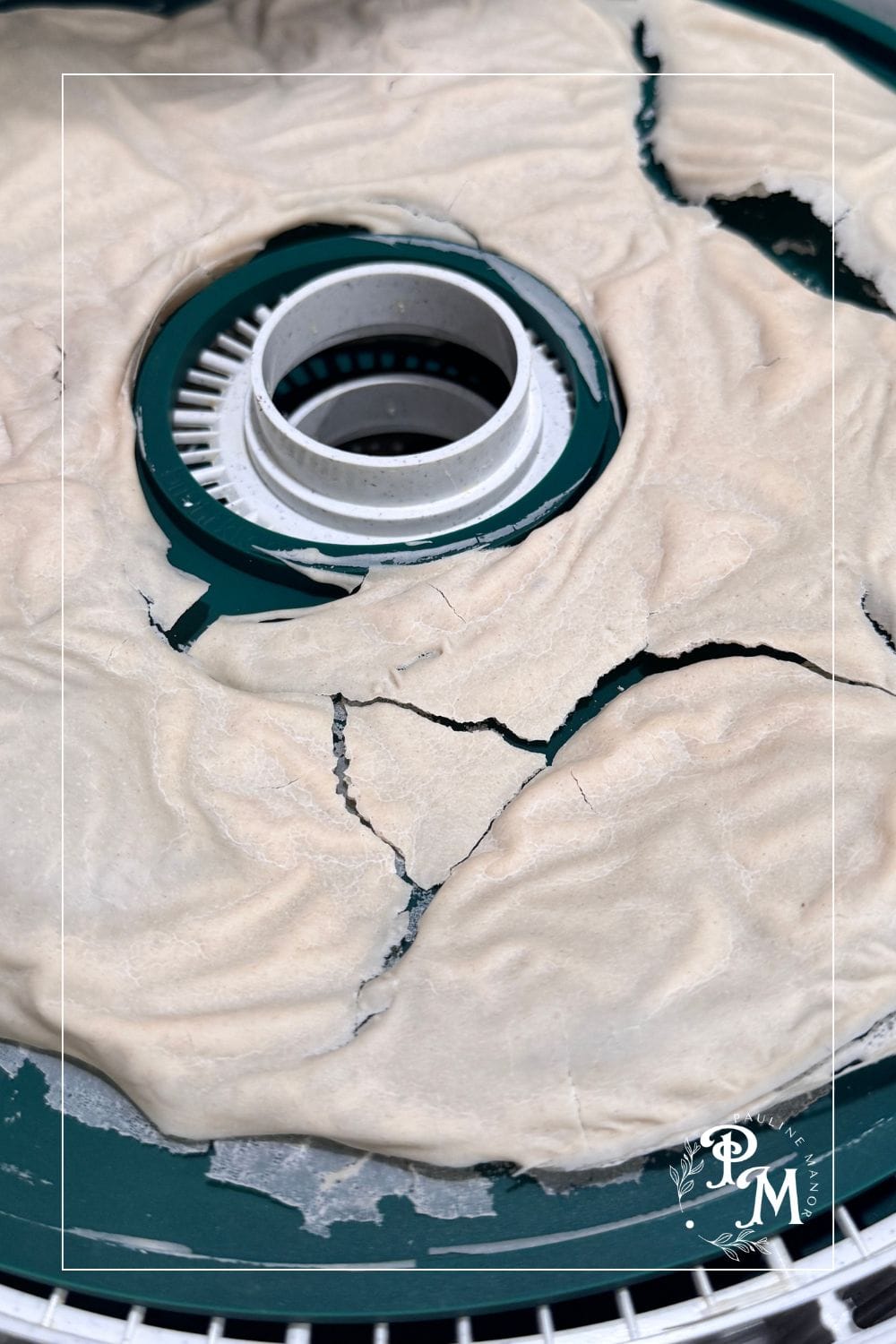
Spread your active starter in a very thin layer on parchment paper or a silicone mat. Thin really matters here because thick spots will stay tacky and take forever to dry.
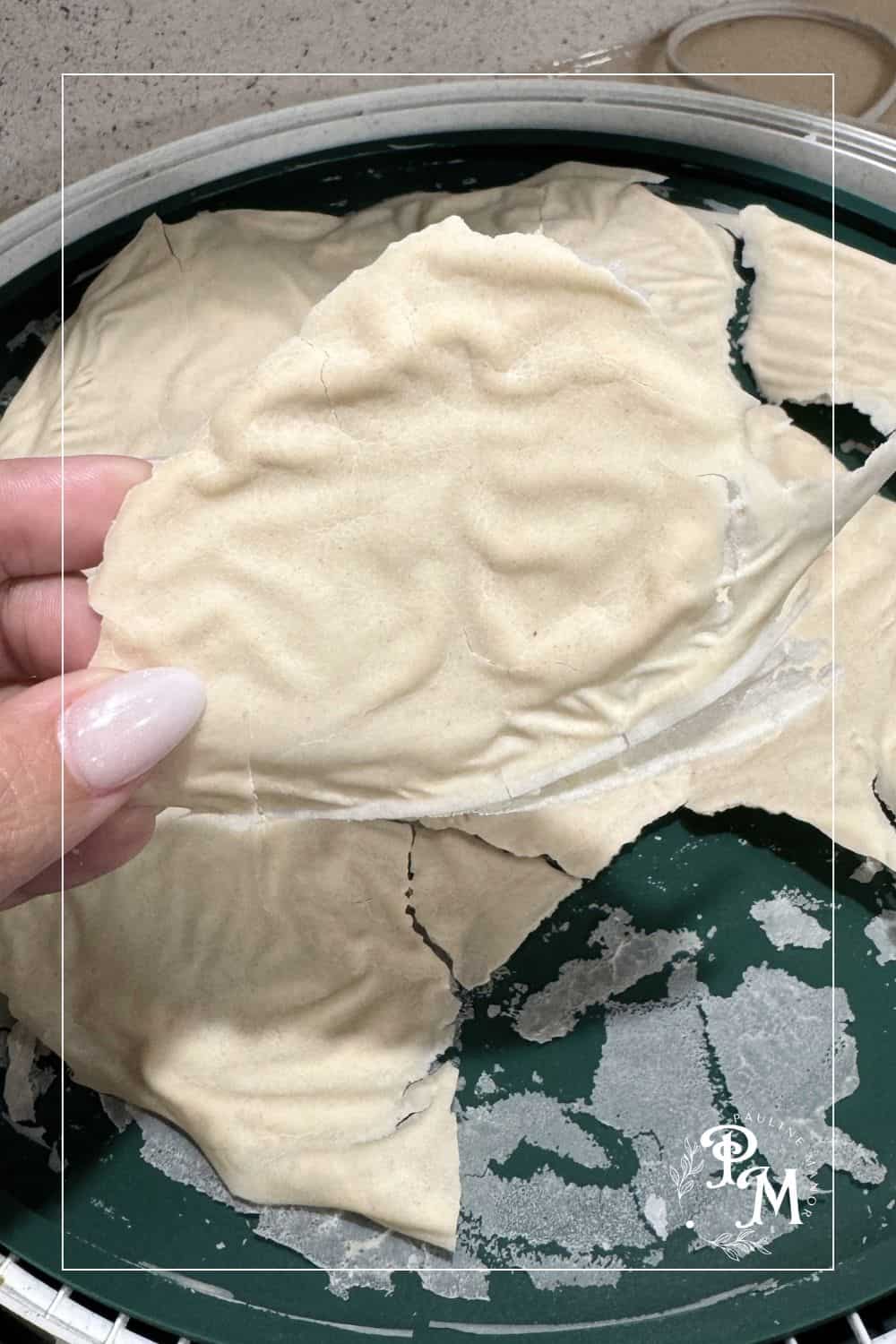
Leave it out at room temperature until it is completely dry and brittle. Depending on humidity, this can take anywhere from about 12 hours to a couple of days. You’ll know it’s ready when it snaps cleanly and doesn’t feel soft or sticky anywhere.
Once it’s dry, break it into flakes and you’re done.
How To Dehydrate Sourdough Starter Using a Dehydrator
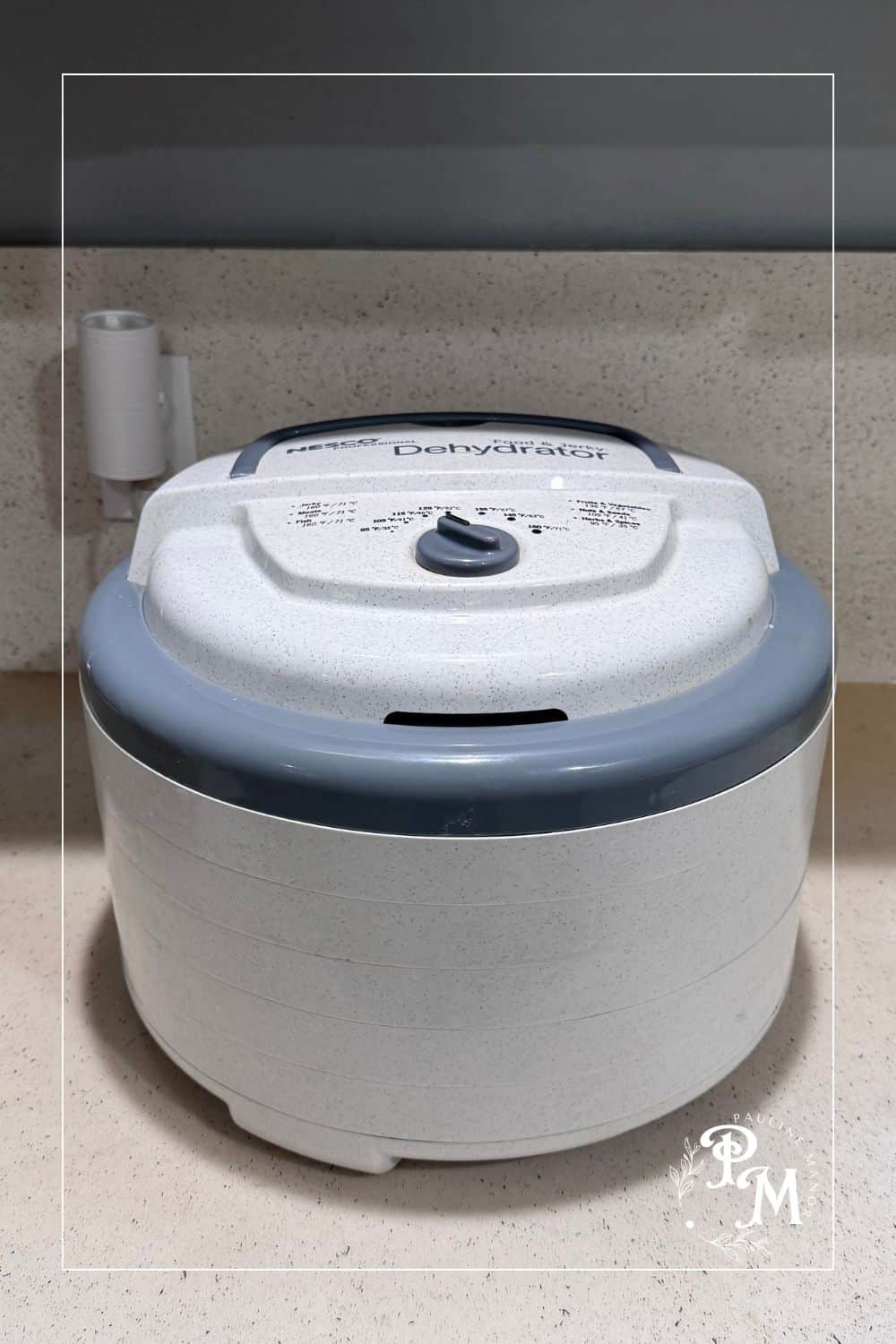
If your kitchen runs humid or you just want to speed things up, a dehydrator makes this process a lot more predictable. I ordered these silicone mats that fit in the dehydrator perfectly.
Spread your starter the same way in a thin layer, then set your dehydrator to a low temperature somewhere around 85 to 95 degrees. The goal is to dry it gently without overheating and damaging the yeast.
It usually takes about four to six hours, depending on how thin you spread it and how humid your environment is. You’re looking for that same fully dry, brittle texture before you move on.
Flakes vs Powder and Why It Matters
Once your starter is completely dry, you can leave it as flakes or grind it into a powder.
Flakes are great for long-term storage and gifting because they’re simple and stable.
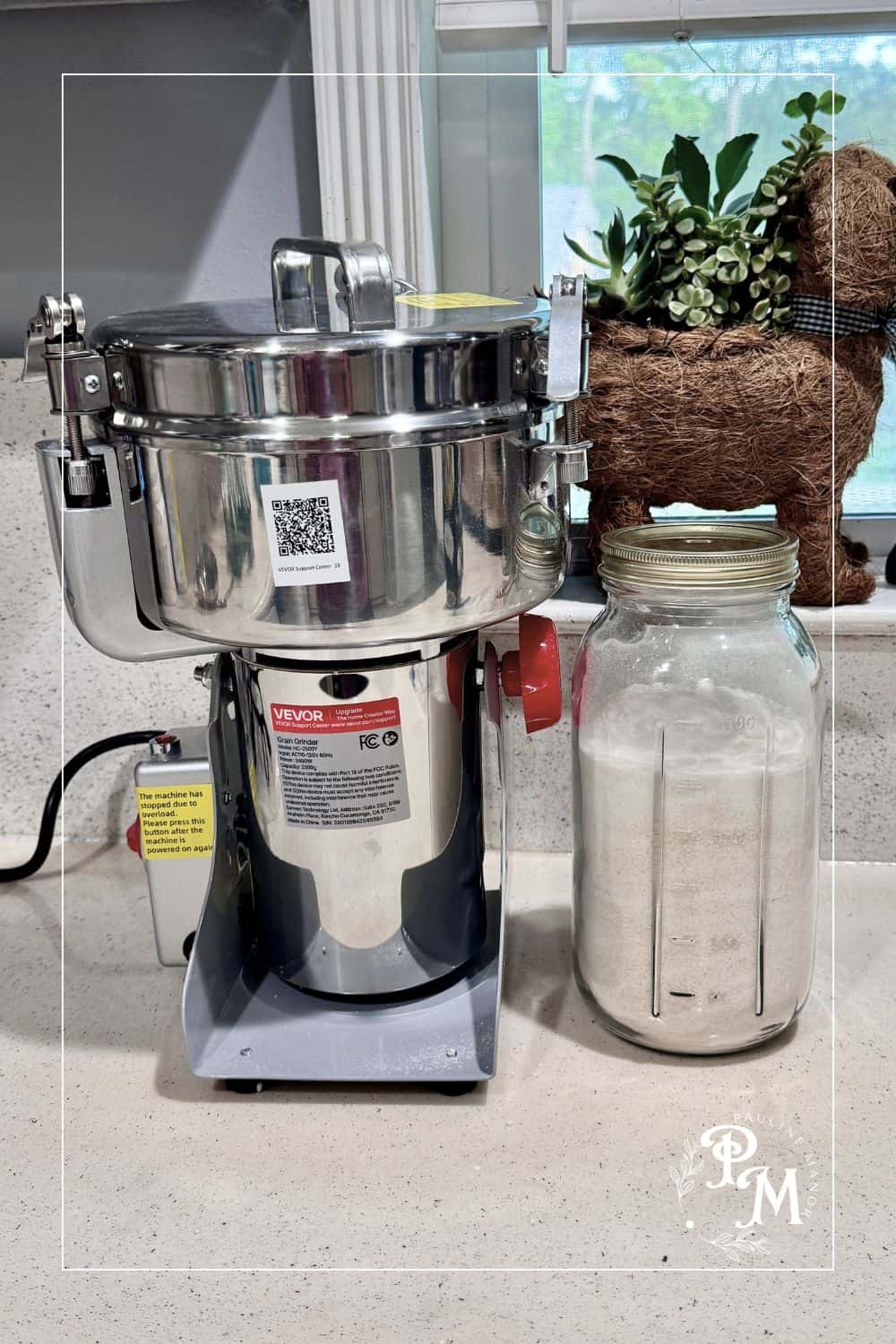
Powder is where things get more interesting. If you run the dried starter through a grinder like this one I got from Amazon, you get a fine sourdough powder that can be used in recipes. This is exactly what you want for things like sourdough pancake mix, brownie mix, biscuits, and any shelf-stable product where you want that sourdough flavor without maintaining a live starter.
How To Store Dehydrated Sourdough Starter
Storage is simple but important.
Make sure your starter is completely dry before you store it, then keep it in an airtight container like a glass jar or sealed bag. Moisture is the only real enemy here, so you want to keep it somewhere cool and dry like a pantry.
When stored properly, dehydrated starter can last for months or even longer. The fresher it is, the faster it tends to come back to life, but it’s surprisingly resilient.
How To Rehydrate Dehydrated Sourdough Starter
Bringing it back is straightforward, but it takes a little patience.
Start by crushing your dried starter into small pieces so it hydrates evenly. Add a small amount of warm water and let it sit until it softens and dissolves. Then mix in flour to create a thick batter.
From there, you’ll treat it like a normal starter, feeding it daily until it starts bubbling and rising again. Depending on your kitchen temperature and how strong it was before drying, this usually takes a few days to about a week.
Check out my step-by-step complete guide for How To Rehydrate Sourdough Starter and if you are just getting started on your sourdough journey you can order some of “Lola” from our shop!
What To Expect When You Reactivate It
The first day can feel like nothing is happening, and that’s normal.
By the second or third day, you should start to see some small bubbles forming. After a few more feedings, it should begin rising and eventually get back to doubling consistently.
If it’s slow, keep going. Most of the time it just needs consistency and a warm enough environment.
How To Use Dehydrated Sourdough Starter
There are two ways to use dehydrated starter, and they serve completely different purposes.
The first is rehydrating it back into a live starter so you can bake bread like usual.
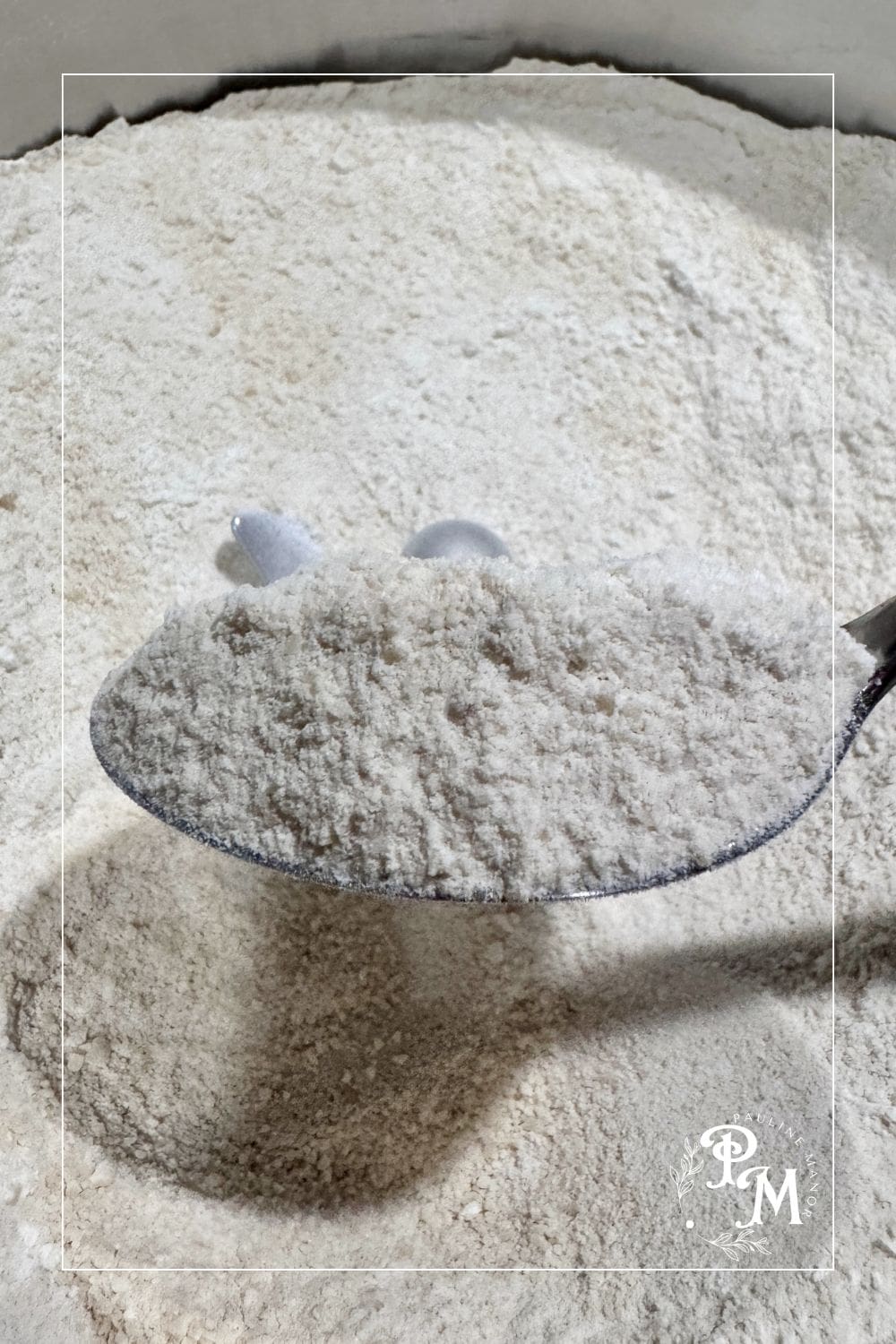
The second is using it as an ingredient. When it’s ground into a powder, you can add it directly into recipes for flavor. It won’t replace active starter for fermentation, but it gives that tangy sourdough taste in things like pancakes, crackers, and baked goods.
This is what makes it so valuable for dry mixes because you’re adding real sourdough flavor without requiring someone to maintain a starter.
Is Dehydrated Sourdough Starter Good for Beginners?
For beginners, dehydrated starter is one of the easiest ways to start baking sourdough without the pressure of keeping a live culture alive from day one.
It stores easily, travels well, and gives people a more forgiving starting point.
A Few Things That Actually Matter
Dry your starter when it’s active, not when it’s been sitting unfed.
Make sure it is completely dry before storing it to avoid mold.
Keep your drying temperature low if you’re using a dehydrator.
And give it time when you bring it back because it rarely comes back overnight.
Frequently Asked Questions
How long does dehydrated sourdough starter last?
When stored properly, dehydrated sourdough starter can remain viable for years. Store it in an airtight container in a cool, dry place away from heat, moisture, and direct sunlight. For the longest shelf life, vacuum sealing or adding a food-safe desiccant packet can help protect it from humidity. When you're ready to bake again, simply follow my guide on How to Rehydrate Sourdough Starter to bring it back to life.
Can I dehydrate sourdough discard?
Yes, you can dehydrate sourdough discard just like an active starter. While it's not the best choice for creating a backup starter, it's perfect for adding flavor to recipes like crackers, pancakes, muffins, cookies, and homemade baking mixes. If your goal is to preserve a starter that you can revive later, begin with a healthy, active sourdough starter instead. For more ways to use it, browse my collection of Sourdough Recipes.
Can I dehydrate sourdough starter without a dehydrator?
Yes! You don't need a dehydrator to dehydrate sourdough starter. Simply spread a thin layer of active starter onto parchment paper or a silicone baking mat and allow it to air dry completely at room temperature. Depending on the humidity in your home, this usually takes between 24 and 48 hours. Once the starter is completely dry and brittle, break it into flakes and store it in an airtight container.
Can I mail dehydrated sourdough starter?
Absolutely. Dehydrated sourdough starter is one of the easiest ways to share your starter with family, friends, or customers because it ships well and doesn't require refrigeration. Package the dried flakes in a sealed bag or airtight container to protect them from moisture during transit, and include instructions for rehydrating the starter. If you plan to sell dehydrated sourdough starter, be sure to follow your state's cottage food regulations and labeling requirements.
The Bottom Line
Dehydrating sourdough starter is one of those simple skills that quietly makes everything else easier. It gives you a backup, opens the door to shelf-stable products, and makes sourdough fit into real life instead of feeling like something you have to babysit every day.
And if you’re planning to build out mixes or pantry staples, this is the foundation that makes all of that possible.