
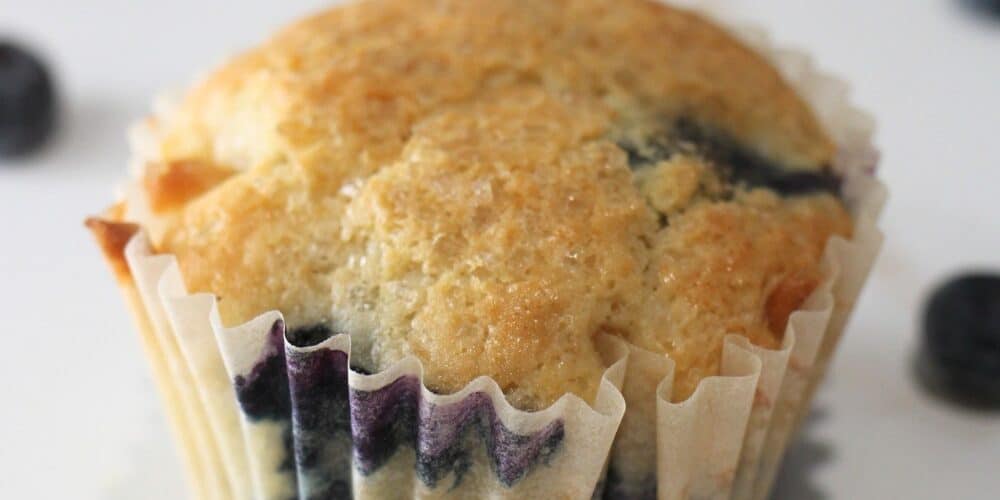
These sourdough blueberry muffins are tender, lightly sweet, and absolutely packed with juicy blueberries. They’re fast, too, with no long rest or fermenting, they are ready to eat in about 30 minutes. Just mix, bake, and enjoy the kind of muffin that tastes like it came from your favorite local bakery.

This is the exact recipe from the Pauline Manor Bakery, and it’s the one I use in my own kitchen when I want something a little special to drop off at a neighbor’s house or tuck into a breakfast basket with cinnamon rolls and a fresh loaf of bread.
Why Add Sourdough Starter to Muffins?
Sourdough starter adds a subtle tang and a depth of flavor that makes these muffins taste richer and more complex than your average box or bag variety. It also helps with the texture because the muffins turn out super moist and dense enough to hold butter perfectly.
The flavor is soft and balanced, not overly “sourdough-y.” The starter adds moisture and a little extra flavor without the stronger tang you can get from a long fermentation.
Blueberries: Fresh vs Frozen
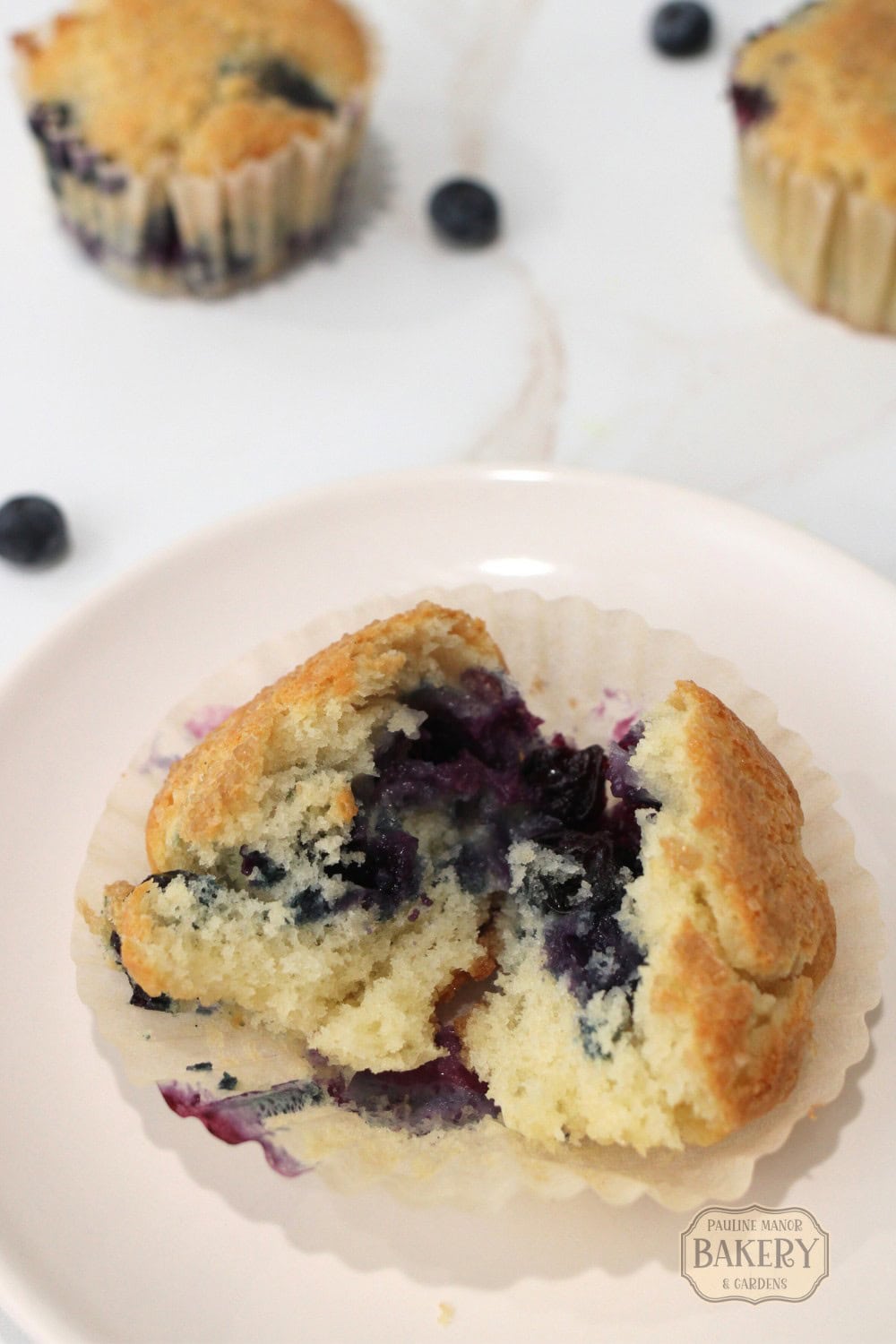
You can use either fresh or frozen blueberries in this recipe, and both options work beautifully. Fresh blueberries will hold their shape a bit better and don’t bleed into the batter, so your muffins will have a cleaner look. But frozen berries are more convenient and budget-friendly, especially when blueberries aren’t in season.
If you’re using frozen blueberries, don’t thaw them before adding to the batter. Just toss them in a little flour straight from the freezer and gently fold them in. This helps prevent the muffins from turning an odd shade of purple and keeps the berries from sinking to the bottom. I’ve made this recipe with both options, and I promise you’ll get great results either way.
Storage and Freezing Tips
These muffins are best stored in an airtight container at room temperature and eaten within two to three days. Make sure they are completely cool before sealing them up so you do not trap excess moisture inside the container.
For longer storage, these muffins freeze beautifully. Wrap them individually or place them in a freezer-safe airtight container and freeze them once completely cooled.
How to Make It Dairy-Free
It’s easy to make this recipe dairy-free without sacrificing flavor or texture. You’ll want to swap the melted butter for either coconut oil or a plant-based butter substitute. I’ve tested it with both, and while the flavor shifts slightly, the muffins still come out soft, fluffy, and full of that blueberry goodness.
Coconut oil gives a slightly sweet, tropical hint, which actually pairs surprisingly well with the berries. Just make sure your eggs and starter aren’t too cold when mixing, or the coconut oil might solidify.
For the sour cream, use a dairy-free yogurt (plain or vanilla) or dairy-free sour cream made from coconut or almond milk. I’ve had good results with Kite Hill almond milk sour cream and Cocojune plain coconut yogurt. Just make sure it’s unsweetened so the muffins don’t end up too sweet.
If you’re avoiding dairy for allergy reasons or dietary preferences, you’ll be happy to know this is one of those recipes that plays nicely with substitutions.
Muffin Variations to Try
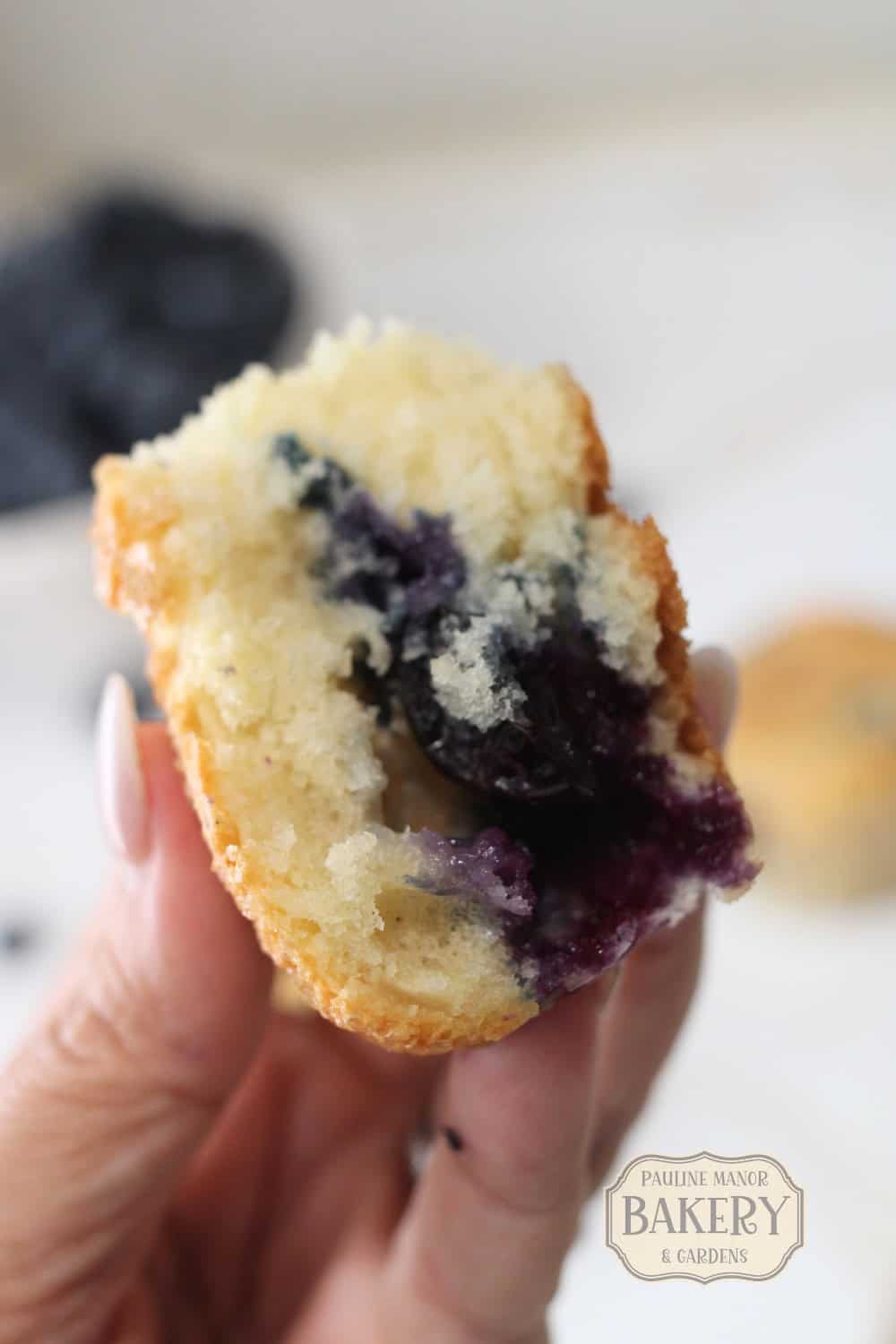
Once you’ve nailed this base recipe, you can change it up a dozen different ways. A splash of lemon juice and zest turns these into lemon blueberry muffins with a sunny, citrusy twist. You can also stir in a bit of cinnamon or cardamom for a warm, cozy flavor in fall and winter.
If you want to make them extra special, a streusel topping is always a good idea. Just mix together some flour, brown sugar, butter, and a pinch of cinnamon, then sprinkle it over each muffin before baking. It gives you that perfect bakery-style crunch on top.
And while this recipe was built around blueberries, don’t be afraid to swap in other fruits. Raspberries, chopped strawberries, or even a mixed berry blend would all work well. You can also go full dessert-mode and toss in a handful of chocolate chips.
For another easy muffin recipe, try my apple cinnamon sourdough muffins, which use cooked cinnamon apples and sourdough starter for a completely different flavor.
Also I use my Homemade Vanilla Extract to deepen the flavor and make them feel a little more “mine.”
Frequently Asked Questions
Can I use sourdough discard?
Yes, this recipe works just fine with discard. Because the rise comes from baking soda and baking powder, not the starter itself, you can use inactive starter straight from the fridge. Just make sure it smells fresh and hasn’t gone too funky or acidic.
Can I use frozen blueberries in sourdough muffins?
Yes. Add the blueberries directly from the freezer without thawing them first. Gently fold them into the batter so they do not release too much color into the muffins.
Do I need to ferment sourdough blueberry muffin batter overnight?
No. These muffins use baking powder and baking soda for their rise, so there is no need for an overnight fermentation. Once the batter is mixed, the muffins can go straight into the oven.
Can I use active starter instead of discard?
Yes. Either active starter or discard works in this recipe because the starter is not responsible for the primary rise.
What size muffin liners do I need?
This recipe makes exactly 12 standard-size muffins. If you’re using a larger or jumbo muffin tin, you’ll need to increase the bake time slightly and expect fewer total muffins.
Want another tasty breakfast recipe for your sourdough discard? Try these Sourdough Discard Bagels.
An Easy Way to Use Extra Sourdough Starter
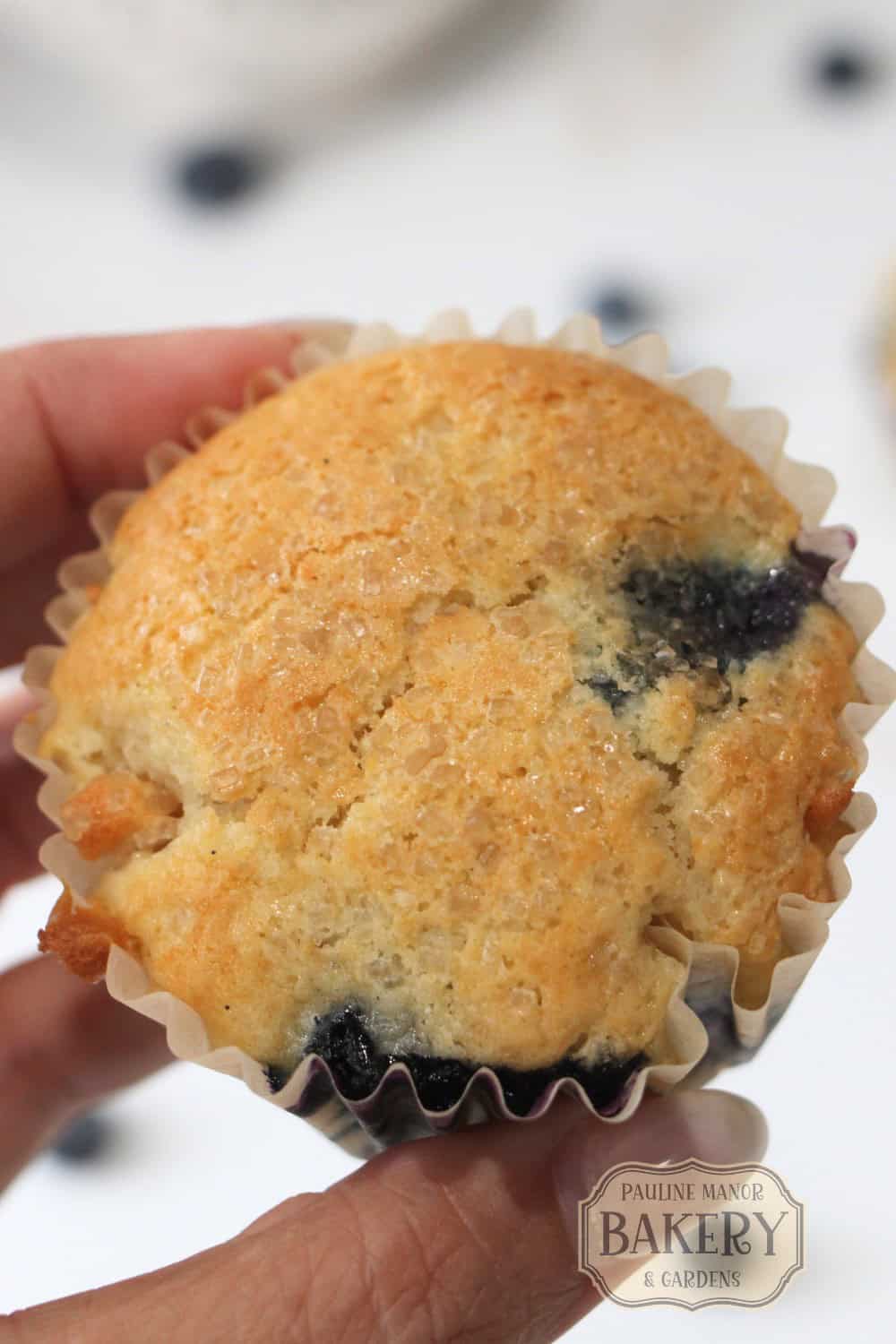
These sourdough blueberry muffins are one of my favorite ways to use extra starter because they do not require any additional fermentation time. I can pull discard from the fridge, mix the batter, and have muffins in the oven without planning ahead.
They also freeze well, which makes it worth baking a full batch even if you do not need twelve muffins right away. Once they are completely cool, I freeze the extras and pull them out as needed for breakfast or a quick snack.
Sourdough Blueberry Muffins
Ingredients
- 1 stick unsalted butter melted
- 1/2 cup active sourdough starter
- 1 large egg room temperature
- ¾ cup sour cream
- 1 teaspoon vanilla extract
- 1⅔ cups all-purpose flour
- 1 cup sugar
- 2 teaspoons baking powder
- ½ teaspoon baking soda
- ⅔ cup fresh blueberries
- 1 tbsp turbinado sugar for sprinkling on top
Instructions
- Preheat your oven to 425°F and line a 12-cup muffin pan with paper liners. The high starting temperature helps the muffins rise quickly for that nice bakery-style dome, so make sure your oven is fully preheated before the batter goes in.
- In a medium bowl, whisk together the flour, baking powder, and baking soda. Set that aside for a minute.
- In a large bowl, whisk the melted butter, sourdough starter, egg, sour cream, sugar, and vanilla extract until the mixture looks smooth and creamy. It’s okay if the sourdough starter leaves a few small streaks; that’s normal.
- Add the dry ingredients to the wet mixture and stir gently until combined. The batter should be thick, not runny. If it feels too loose, add a tablespoon or two of flour. Gently fold in the blueberries, being careful not to overmix so they don’t burst and turn the batter purple.
- Spoon the batter evenly into the prepared muffin cups, filling each nearly to the top. Sprinkle a little turbinado sugar on each muffin for a crunchy, golden finish.
- Bake the muffins at 425°F for 5 minutes, then lower the oven temperature to 375°F and continue baking for another 15–18 minutes, or until a toothpick inserted into the center comes out clean. Don’t open the oven during the first part of baking, since that initial blast of heat is what helps the muffins puff up nicely.
- Let them cool in the pan for about five minutes, then move them to a wire rack to finish cooling completely.
- Once cool, the muffins can be stored in an airtight container at room temperature for up to three days. You can also freeze them individually and warm them up later in the oven or microwave when you need a quick breakfast or snack.
Recipe Notes